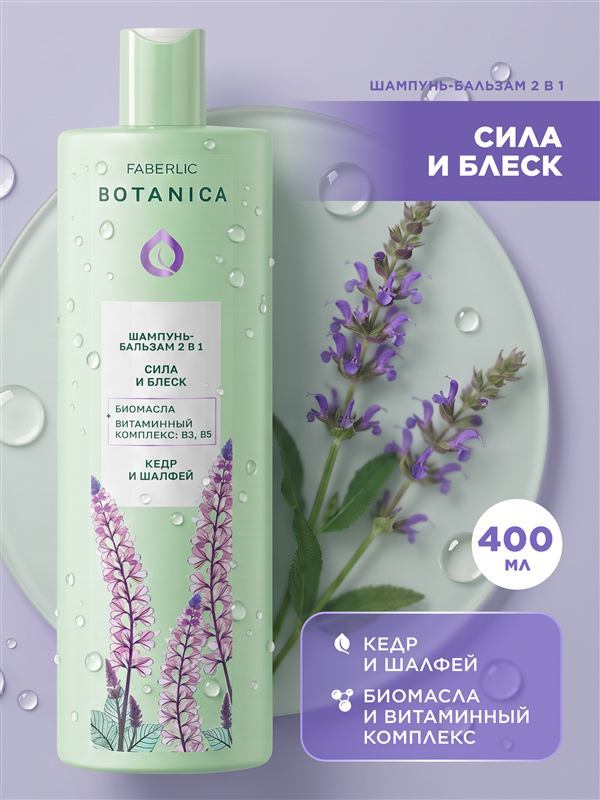

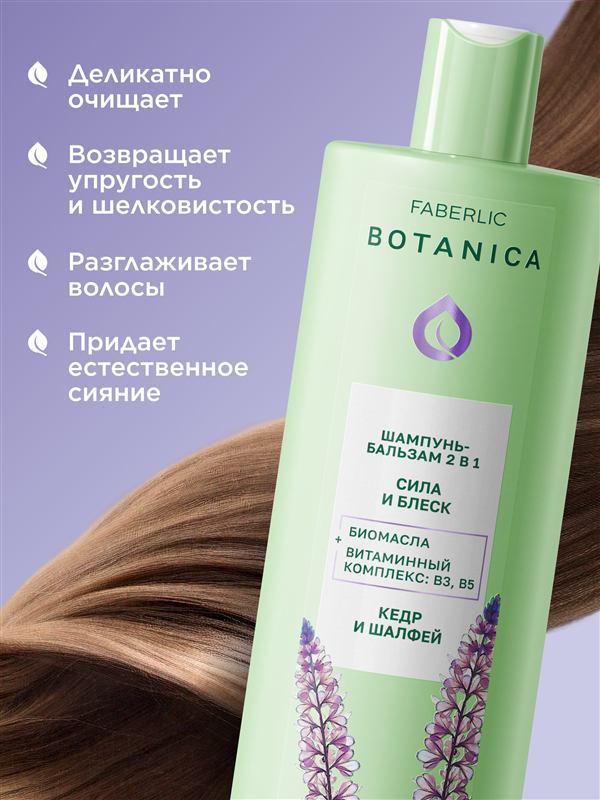
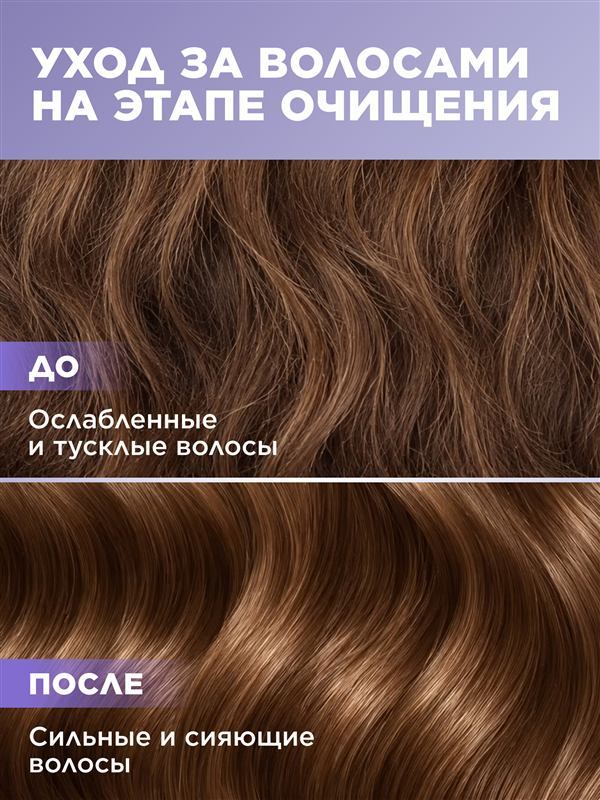

Shine is not something added to hair. It is a consequence of surface smoothness, and every shine product works by the same mechanism.
Why hair shines, or does not
Each strand has an outer cuticle made of overlapping scales. When those scales lie flat, light reflects evenly and hair looks glossy. When they are raised or roughened, light scatters and hair looks dull.
So dullness means a roughened cuticle, caused by:
- Heat styling
- Colouring and bleaching
- Rough towel-drying
- Brushing wet hair
- Hard water mineral deposits
- Product build-up
- Simple age of the hair — the ends of long hair are years old
Conditioning agents smooth those scales down temporarily. That is what a shine product does, and it works.
What makes the biggest difference
Ranked honestly, the things that affect shine:
- Not damaging the cuticle — lower heat, gentler handling, protection
- Conditioning every wash
- A cool final rinse, which helps the cuticle lie flat
- Not over-washing
- The specific product, which matters least of these
A shine shampoo on hair that is straightened daily at high heat is working against the cause.
Using a 2-in-1
Lather at the scalp, let the run-off carry through the lengths, leave it a moment before rinsing so the conditioning part has contact time, then rinse thoroughly.
That pause is where most of the conditioning benefit is, and it is the step people skip.
Who a 2-in-1 suits
Short, normal, undamaged hair; children; travel; anyone who was skipping conditioner altogether. Long, coloured, curly or damaged hair does better with separate products.
A note on "botanical"
Plant-derived does not mean gentler — botanical extracts and essential oils are among the more common irritants. If your scalp is reactive, patch test.
The full composition is in the Faberlic catalogue. For the full routine, see the haircare section.