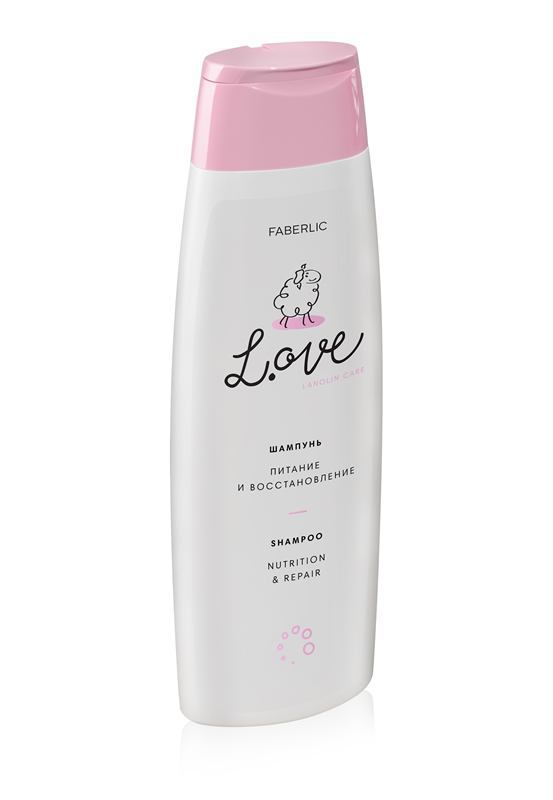
"For all hair types" is worth interpreting honestly rather than taking at face value.
What it means in practice
It means the formula sits in the middle: moderate cleansing, moderate conditioning. Not the most thorough for oily scalps, not the richest for very dry hair — comfortable for the broad middle where most people actually are.
That is a legitimate product category, not a hedge. Most hair is not extreme in either direction.
When a universal shampoo is right
- Normal hair with no colour, no significant heat damage, no scalp issues
- A shared household bottle, where individual products for four people is impractical
- Travel
- Hair that changes seasonally — many people are drier in winter and oilier in summer, and a middle formula tracks that better than switching twice a year
- Anyone who does not want to think about it. A perfectly reasonable position
When something specific is better
- Very oily scalps — need more thorough cleansing
- Coloured or bleached hair — colour-care or sulphate-free formulas hold pigment noticeably longer
- Curly hair — needs gentler cleansing and far more conditioning
- Fine hair that flattens — needs a lightweight formula, which a nourishing one is not
- Flaking or itching scalps — a medical rather than a cosmetic question
Using it
Lather at the scalp, fingertips for about a minute, lukewarm water, rinse thoroughly. Conditioner on the lengths and ends only.
The honest ranking
For most people with unremarkable hair, technique and frequency matter more than which mid-range shampoo they use. Washing the scalp rather than the lengths, rinsing properly, not using hot water, and conditioning the ends every wash — those four cover the majority of the result.
The shampoo choice becomes decisive when your hair is at an extreme: heavily coloured, very curly, very oily, very damaged.
The full composition is in the Faberlic catalogue. For type-specific guidance, see the haircare section.