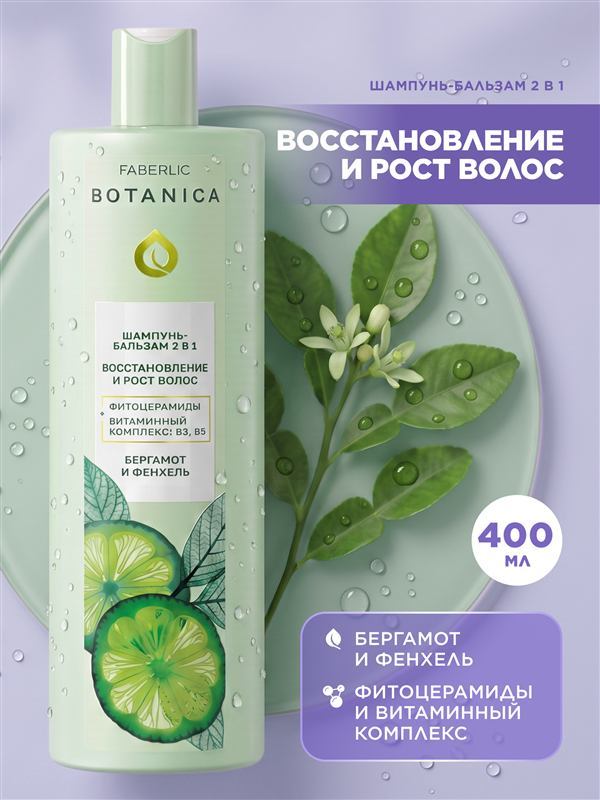


"Growth" on a hair product needs a straight explanation, because the word does a lot of work in marketing and very little in biology.
What actually determines growth rate
Hair grows roughly 1–1.5 cm per month, and that rate is set by genetics, age, hormones and general health.
Nothing applied to the outside of the hair changes it. The growing part of a hair is the follicle, below the skin; the strand itself is not living tissue.
What "growth" products can honestly do
Two things, both real and both indirect:
Support scalp health. A clean, comfortable scalp is a better environment for the follicles in it. Massage during washing increases local blood flow briefly.
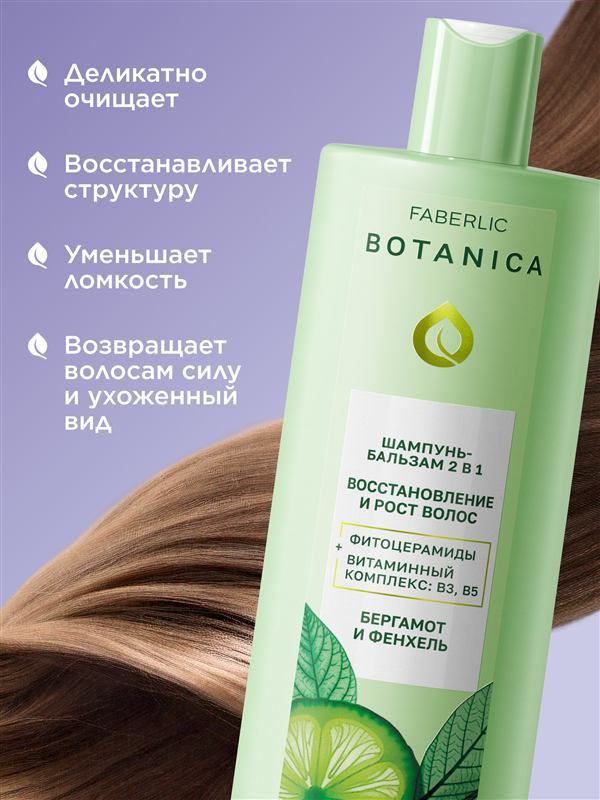
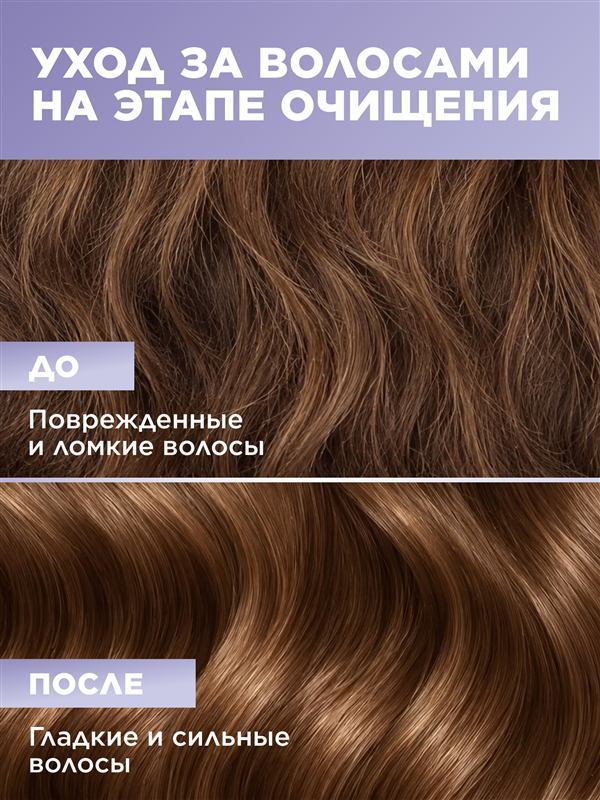
Reduce breakage. This is the larger effect and the one people notice. If your hair snaps as fast as it grows, it never gets longer — and that reads as "not growing" when it is actually "not keeping".
Reducing breakage is genuinely how most people gain visible length, and a conditioning product contributes to it.
The arithmetic that matters
Twelve months of growth is 12–15 cm. If you trim 3 cm every three months to remove splits, you have gained nothing.
Reduce the damage and the same growth rate produces visible length. That is the whole method:
- Cut back heat styling, and always use protection
- Stop brushing wet hair — detangle with conditioner in, wide-toothed comb, ends upward
- Squeeze with a towel, do not rub
- Loosen tight styles
- Trim 1 cm every 10–12 weeks, which feels counter-productive and is why people succeed
When growth genuinely slows
Iron deficiency is common and easily tested. So are thyroid conditions. Restrictive dieting stalls hair growth reliably.
If your hair growth has visibly slowed or shedding increased, see a doctor rather than buying a growth product.
Using it
Lather at the scalp, massage a minute, let the run-off carry through the lengths, pause before rinsing, rinse thoroughly.
The full composition is in the Faberlic catalogue. For the year-long plan, see the haircare section.