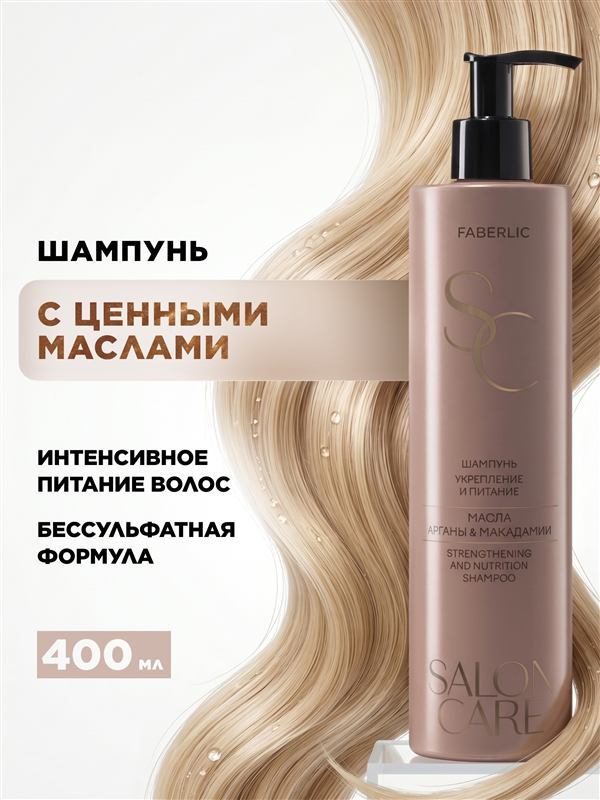
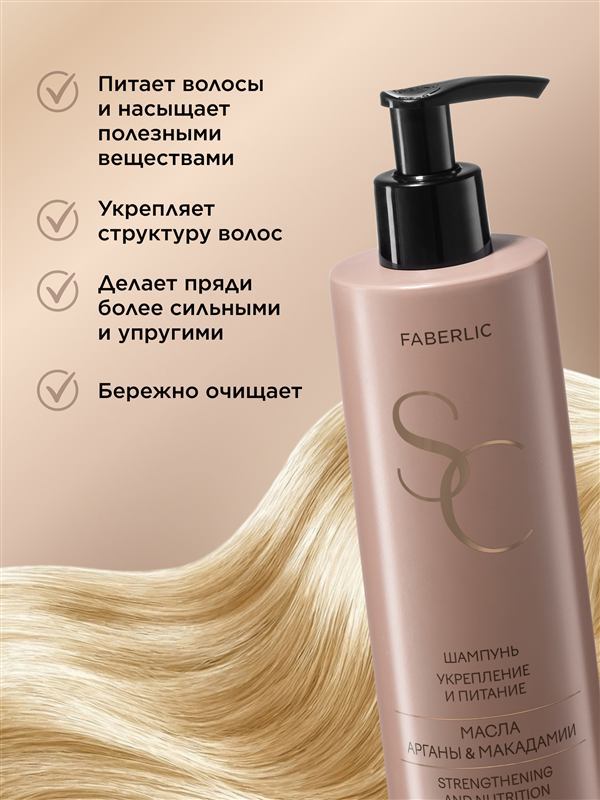
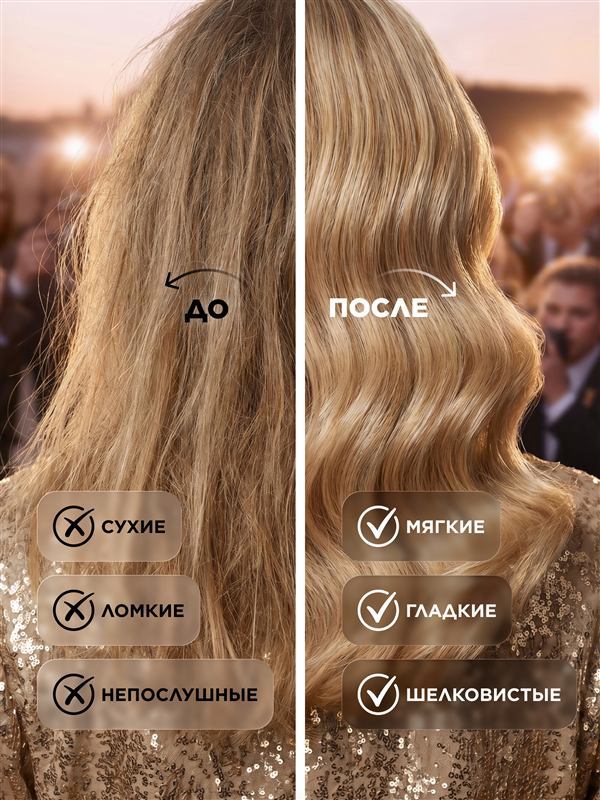


"Strengthening" products address breakage, which is a genuinely fixable problem — provided that is what you actually have.
Breakage or loss?
The distinction matters more than any product choice.
Breakage — the hairs in your brush are short fragments. The strand snapped somewhere along its length. Caused by heat, bleaching, rough handling, tight styles.
Loss — the hairs are full-length with a small pale bulb at one end. They came out at the root, which is an internal matter.
Look at what is in your brush. Strengthening shampoos help substantially with the first and not at all with the second.
What strengthening means
A hair strand is not living tissue and cannot be repaired. What these products do:
- Smooth the cuticle, so strands slide past each other instead of catching and snapping
- Reduce friction during combing and styling, which is when most breakage happens
- Improve elasticity temporarily, so hair stretches rather than snapping under tension
Real, measurable, and it lasts until the next wash. Which is why it needs to be every wash.
What causes breakage
- Heat styling — the largest cause, especially straighteners on dry unprotected hair
- Bleaching, particularly repeated
- Brushing wet hair, which stretches and snaps it
- Rubbing with a terry towel
- Tight styles worn constantly
- Old ends — on long hair the ends are years old
Changing these does more than any shampoo. The product supports the change; it does not substitute for it.
Using it
Lather at the scalp, fingertips for about a minute, lukewarm water, rinse thoroughly. Conditioner on the lengths and ends every wash — with breakage, the conditioner does more work than the shampoo.
Detangle with conditioner in, wide-toothed comb, from the ends upward.
If it is loss rather than breakage
See a doctor. Iron, ferritin and thyroid tests cover most treatable causes, and early treatment works far better than late.
The full composition is in the Faberlic catalogue. For the full picture, see the haircare section.