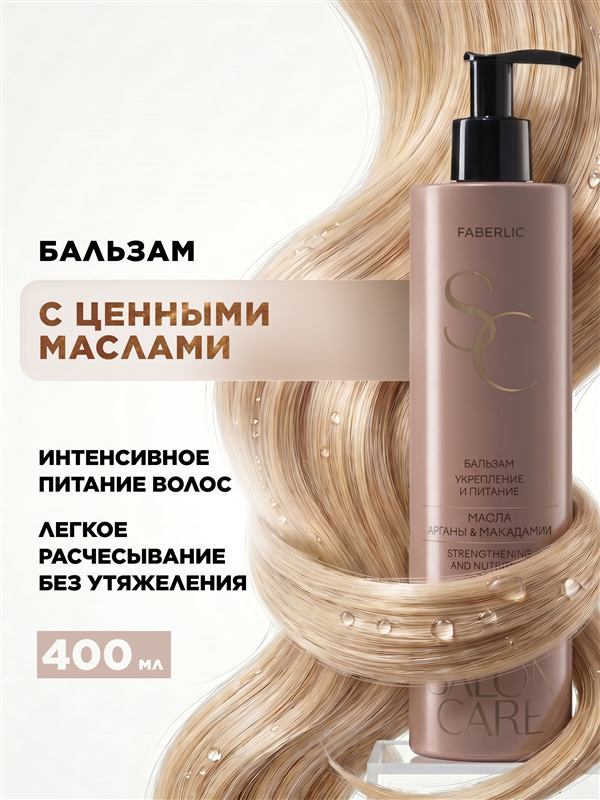



Most hair breakage happens during detangling, not during styling. Which makes the conditioner step — and what you do while it is in — the most consequential few minutes of a wash.
Why wet hair breaks
Wet hair absorbs water and swells, which makes it more elastic and considerably weaker than dry hair. It stretches under tension and then snaps rather than returning.
So the moment you drag a brush through wet, unconditioned hair is the moment you do the most damage in your whole routine.
The safest window
With conditioner in. The balm coats the strands, they slide past each other instead of catching, and tangles release with far less force.
The method:
- Apply the balm to mid-length and ends, on hair you have squeezed the water out of
- Comb with a wide-toothed comb, or fingers
- Start at the ends. Work upward in sections, releasing each tangle before moving higher
- Never drag from the roots down — that gathers every tangle into one knot at the ends
- Rinse thoroughly
Detangling from the ends upward is the single most effective habit for keeping length.
What not to use
- Fine-toothed combs on wet hair
- Brushes, unless specifically designed for wet detangling
- Force. If a tangle resists, add more conditioner or work it apart with fingers
After the shower
Squeeze, do not rub. A terry towel roughens the cuticle every time; a cotton t-shirt or microfibre does not.
Let hair dry to about 80% before brushing again, and use a brush rather than a comb once dry.
Strengthening in this context
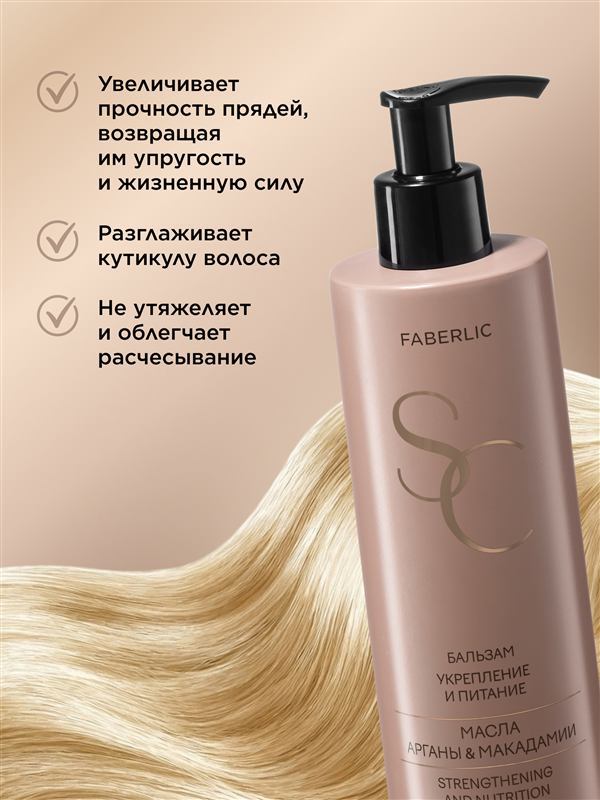
A balm cannot rebuild a strand — hair is not living tissue. What it does is reduce the friction that causes breakage, which is where "strengthening" claims genuinely land.
That effect lasts until the next wash, which is why it needs to be every wash.
The full composition is in the Faberlic catalogue. For breakage versus loss, see the haircare section.