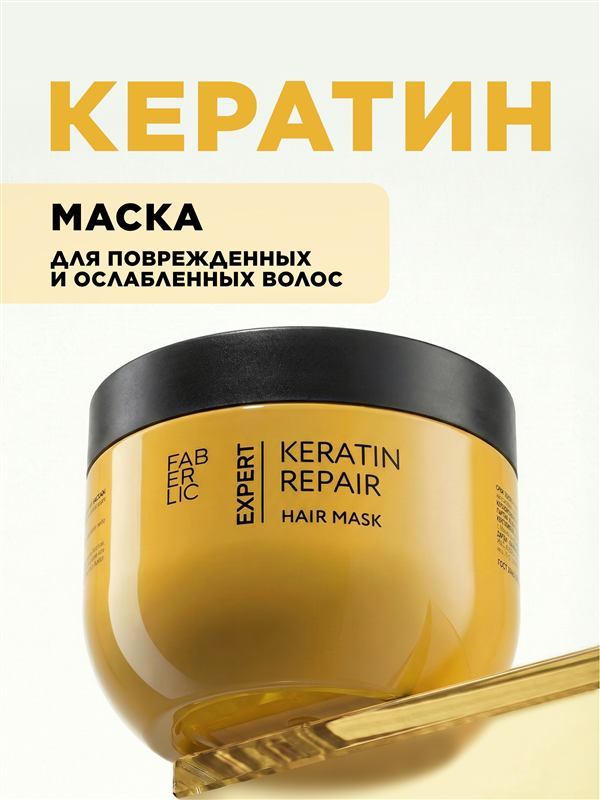


"Reconstruction" is a strong word, and it deserves an honest account of what happens to a damaged hair strand.
Hair is not living tissue
The part of your hair you can see is dead protein. It has no blood supply, no cells repairing themselves, and no capacity to heal.
This is the fact that governs everything else. Once the structure is damaged, it stays damaged — the strand cannot rebuild itself and nothing applied to it rebuilds it either.
So what does a reconstruction mask do?
Real things, and worth having:
- Fills and smooths the roughened cuticle temporarily, so the strand is smoother
- Deposits proteins and conditioning agents into damaged areas, which improves strength and elasticity while they remain
- Reduces friction, so far less hair snaps during combing and styling
- Improves how light reflects, so hair looks less dull
The effect is genuine and it is temporary, lasting until washed out. Which is why it is a weekly product rather than a one-off treatment.
What it cannot do
Repair split ends. Once a strand has split, the only remedy is cutting. Products that claim to seal split ends glue the halves together until the next wash.
Undo bleach damage structurally.
Substitute for trims. A split travels up the strand if left, so postponing a trim turns a small cut into a large one.
Realistic expectations
Easier combing, noticeably less breakage, better shine, more manageable ends — within a few weeks of consistent use.
Not: hair that behaves like undamaged hair. If your hair is badly damaged, a larger cut now plus this routine going forward is more effective than a year of masks on hair that keeps splitting further up.
Using it
Damp not soaking hair, lengths and ends only, combed through, left the stated time, rinsed thoroughly. Once or twice weekly, instead of your conditioner, not in addition.
Alongside
Less heat, protection every time you use it, no brushing wet hair, and regular trims. Those do the structural work the mask cannot.
The full composition is in the Faberlic catalogue. For damage in context, see the haircare section.