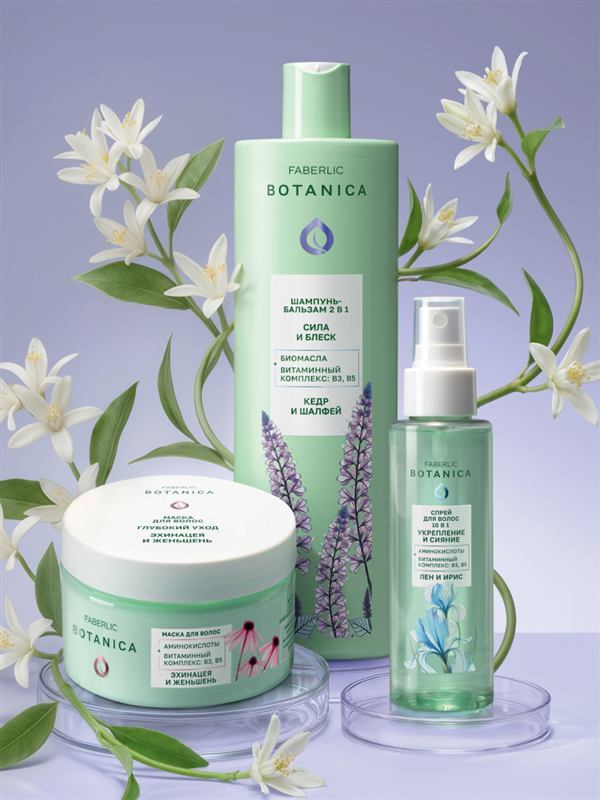
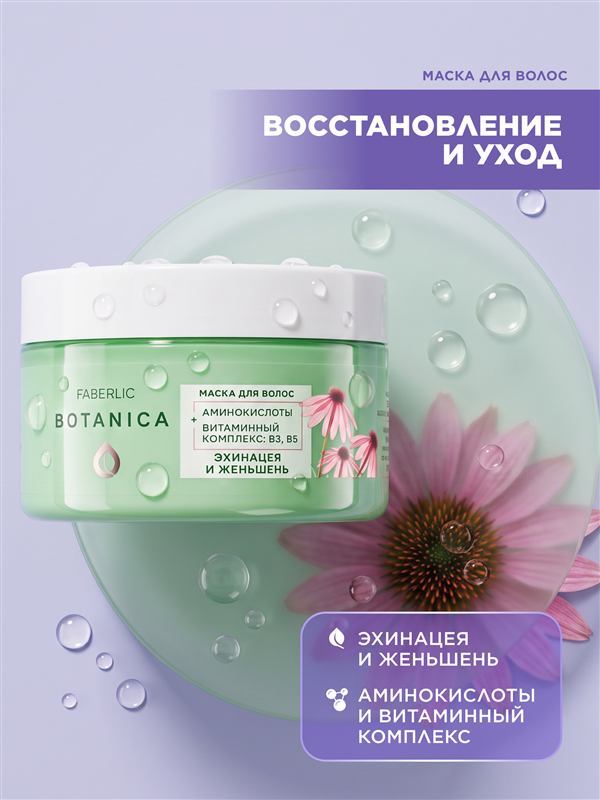
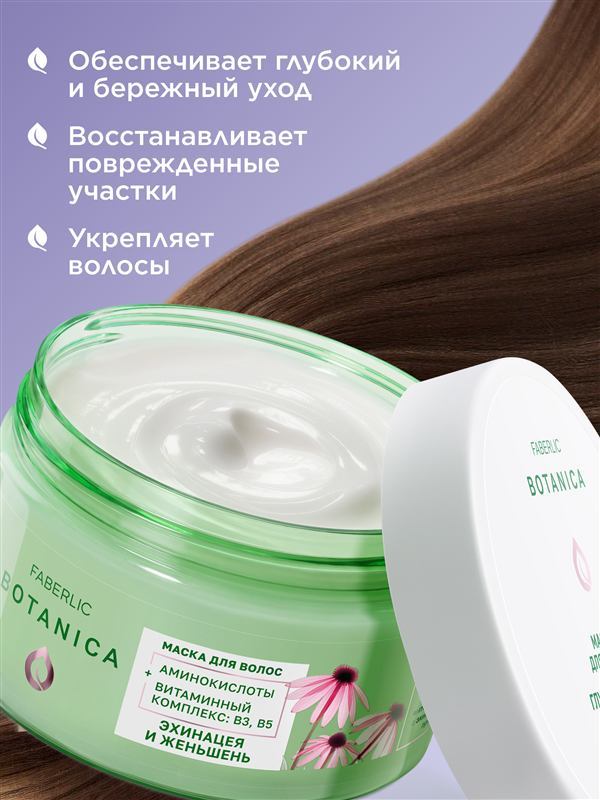


A mask is a conditioner with more substance and more contact time. Most of its potential is lost to five application errors, all easy to fix.
1. Applying to soaking hair
The biggest waste. Water on the hair dilutes the mask until it slides off — you use twice as much for half the effect.
Squeeze the water out first. Damp, not dripping.
2. Applying at the roots
Masks are not scalp products. At the roots they make hair greasy a day sooner, flatten it, and do nothing useful — the roots are the newest, healthiest hair.
Mid-length to ends only.
3. Not giving it time
Two minutes of a ten-minute mask is a conditioner with extra steps. The contact time on the label is where the benefit is.
Leave it the stated time. Longer does not help either — nothing more is absorbed after that window.
4. Under-rinsing
Residue is the usual cause of hair that feels heavy and lifeless after masking, and it is almost always blamed on the mask being "too rich".
Rinse thoroughly, more than feels necessary, finishing cool.
5. Using it every wash
Once or twice a week, and instead of your conditioner rather than in addition to it.
Both in one wash leaves residue. Every wash produces over-conditioned hair: limp, slippery, will not hold a style.
The correct sequence
- Shampoo at the scalp
- Squeeze water out
- Mask on lengths and ends
- Comb through with a wide-toothed comb — this distributes it and is the safest moment to detangle
- Leave the stated time
- Rinse thoroughly, cool finish
What a mask cannot do
Repair split ends — only cutting removes those. Change hair growth. Undo bleach damage structurally.
What it does: smooths the cuticle, reduces breakage while combing, makes ends manageable. Worth doing, alongside regular trims rather than instead of them.
A note on "botanical"
Plant extracts and essential oils are among the more common irritants. Patch test if your scalp is reactive.
The full composition is in the Faberlic catalogue. For masks in context, see the haircare section.