


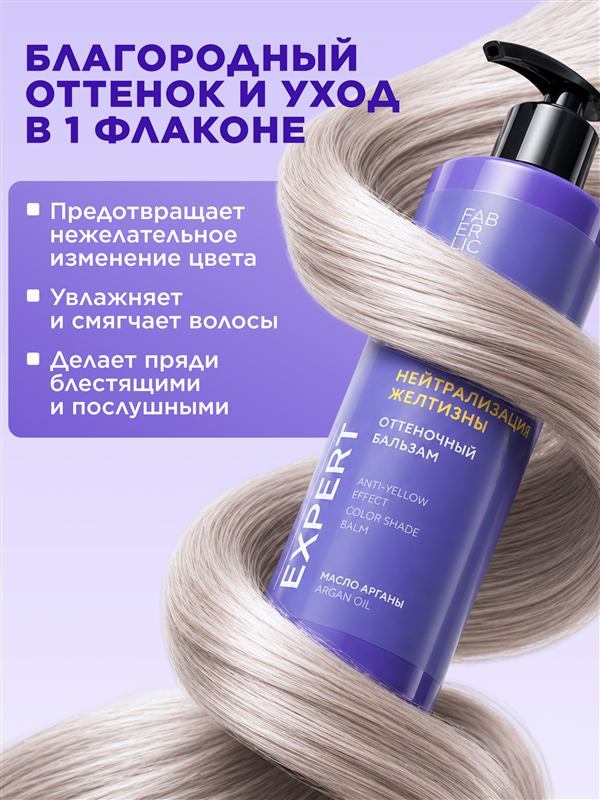
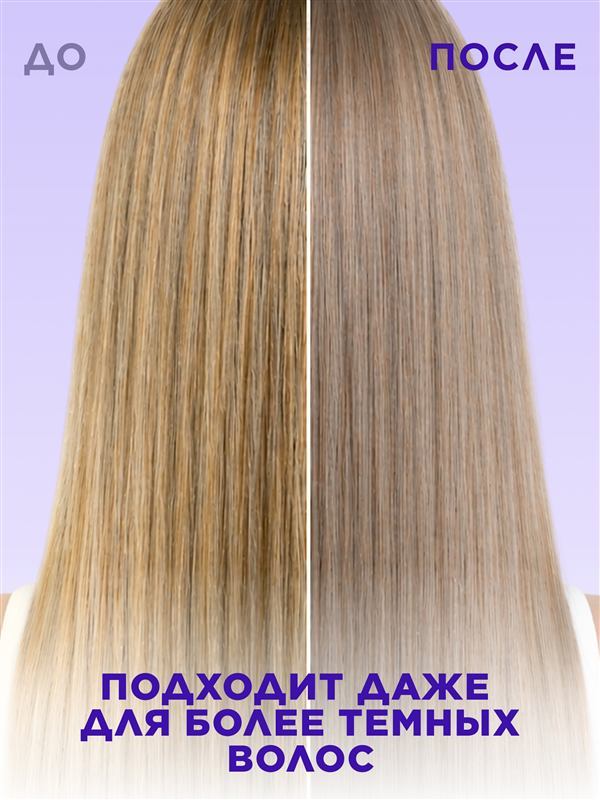
A toning balm deposits a small amount of pigment to cancel unwanted tones. The principle is simple colour theory, and the mistakes are all about timing.
How it works
Purple sits opposite yellow on the colour wheel, so purple pigment cancels yellow. Blue cancels orange, which is why brassy lightened brunettes need a blue-toned product rather than a purple one.
The pigment sits on the hair surface and washes out over several washes. It is a correction, not a dye.
Why blonde hair goes yellow
Lightened hair has had pigment removed, and warm underlying tones show through as it fades. Then:
- Hard water deposits minerals that add warmth
- Sun exposure oxidises the hair
- Chlorine
- Heat styling
- Time, simply
None of this means your colour was done badly. It is what lightened hair does.
The timing mistake
Start with two to three minutes. Not the maximum on the label.
Toning products deposit progressively, and hair that is porous — which lightened hair is — takes pigment much faster than expected. Leaving a purple product on too long produces grey, lilac or dull mauve tones that then need to be washed out over weeks.
Build up rather than correcting down. If two minutes was not enough, use four next time. You can always add; removing is far harder.
How often
Once a week, or every second or third wash. Not every wash.
Overuse leads to dull, ashy, slightly grey hair — the most common complaint about purple products, and it is a frequency problem rather than a product one.
Using it
- On clean, damp hair
- Lengths and ends only, where the yellow shows most
- Wear gloves — these products stain hands and nails
- Watch the time
- Rinse thoroughly, finishing cool
What it does not do
Lighten hair, fix uneven colour, or repair damage. It adjusts tone on the hair you have. Structural colour problems are a salon matter.
The full composition is in the Faberlic catalogue. For coloured-hair care, see the haircare section.