
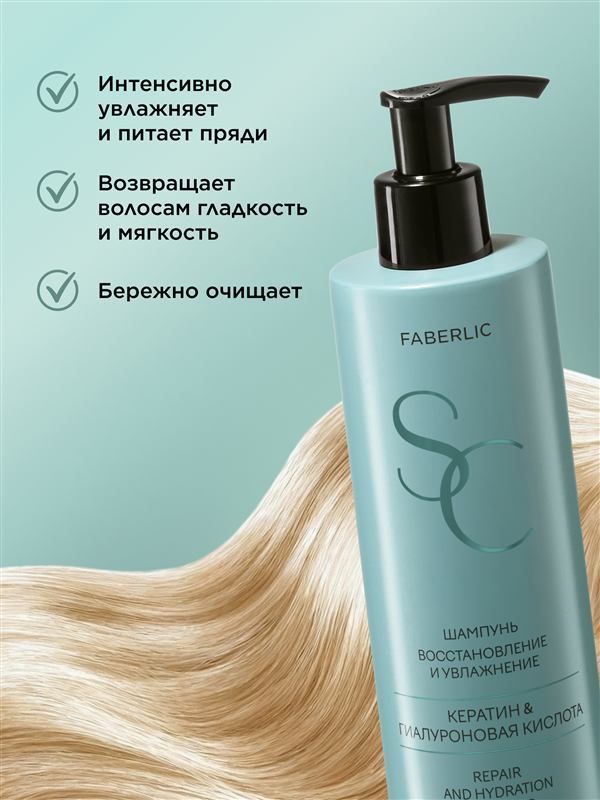
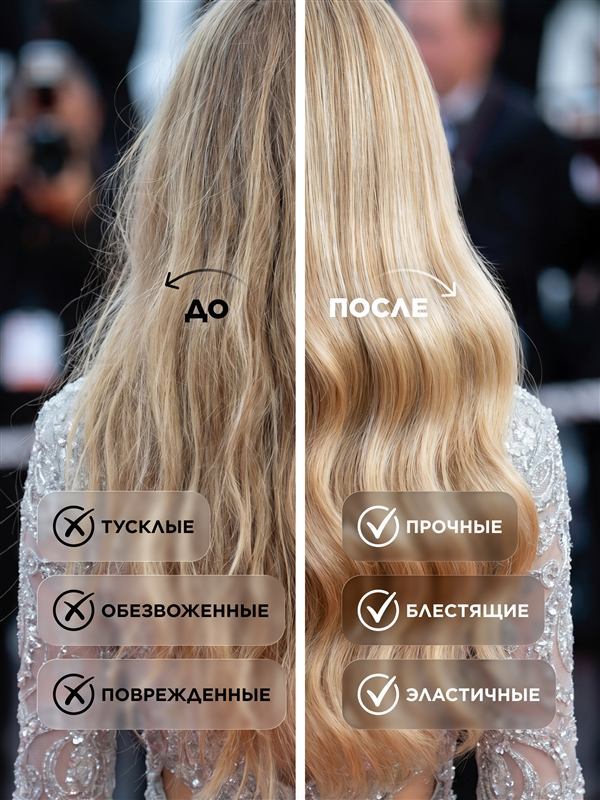

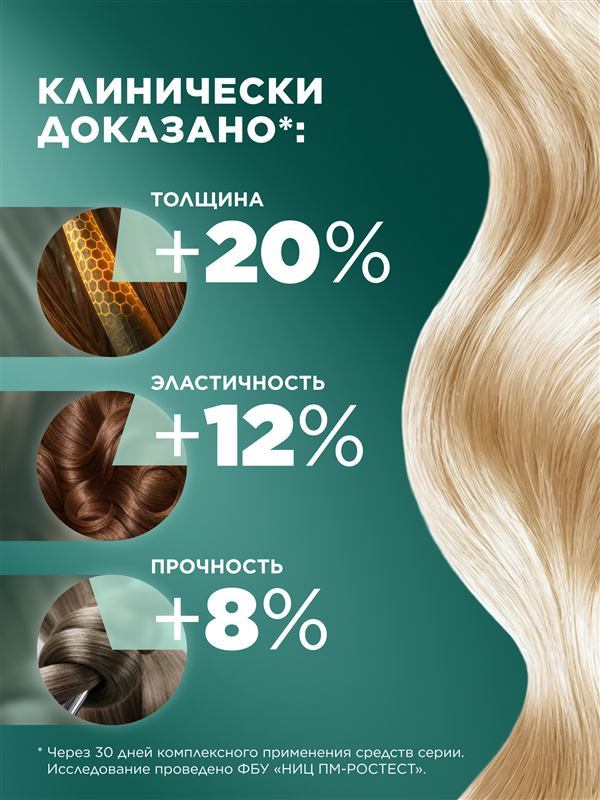
Repair and moisture get bundled together on labels, and they address genuinely different problems. Knowing which you have determines whether a product helps.
Damaged, dry, or dehydrated?
Damaged hair — the cuticle is roughened by colouring, bleaching or heat. It tangles badly, snaps when combed, looks dull however recently washed, and splits. Wants repair-focused products.
Dry hair — lacks oil. Feels coarse and straw-like, thick to the touch. Structural, and common in curly and coarse hair. Wants nourishment — oils and richer conditioning.
Dehydrated hair — lacks water. Static and flyaway, brittle, snaps rather than splits, dull but not coarse. Worse in heated or air-conditioned rooms. Wants hydration — humectants, lighter textures.
You can have more than one. Bleached hair in winter is usually all three.
Why the distinction matters
Applying a rich oil-based product to dehydrated hair seals a surface with nothing underneath — hair ends up coated, heavy and still brittle. This is why people report that expensive masks "do nothing".
Conversely, a light hydrating product on coarse dry hair feels insufficient.
A combined repair-and-moisture formula covers the common case where hair is damaged and dry, which is most chemically treated hair.
What repair genuinely means
The strand cannot be rebuilt — it is not living tissue. What these products do is smooth the cuticle so hair behaves better, breaks less while combing, and reflects light.
They do not repair split ends. Only cutting removes those.
Using it
Lather at the scalp only; the run-off cleans the lengths. Fingertips, a minute, lukewarm water, rinse thoroughly.
Conditioner on lengths and ends every wash. A mask once or twice weekly in place of the conditioner, not in addition.
What matters alongside
Less heat, protection when you do use it, no brushing wet hair, and regular trims. A repair shampoo supports those; it does not replace them.
The full composition is in the Faberlic catalogue. For the distinctions in detail, see the haircare section.