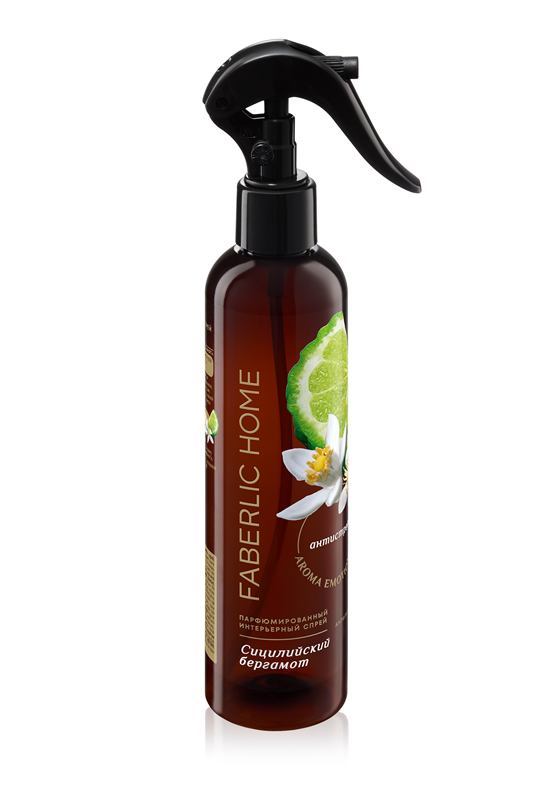



Room sprays do one thing well and one thing not at all, and it is worth being clear about which is which.
Masking versus removing
Masking — adding a stronger pleasant scent so the unwanted one is less noticeable. This is what almost every room spray does, including ones marketed as neutralising.
Removing — eliminating the source. Cleaning, ventilating, washing the fabrics holding the smell.
A spray is a temporary cover, and the underlying smell returns as the fragrance fades. That is useful for a short period and not a solution.
Where tobacco smell actually lives
Tobacco odour is stubborn because it embeds in porous materials rather than hanging in the air:
- Soft furnishings — curtains, upholstery, cushions, carpets
- Bedding and clothing
- Walls and ceilings, particularly painted ones
- Behind and inside furniture
Spraying the air does nothing to any of these. Removing tobacco smell properly means washing textiles, cleaning hard surfaces, ventilating thoroughly for days, and in bad cases repainting.
Where a spray genuinely helps: the short gap before guests arrive, after cooking, or in a bathroom. Those are real uses.
Using it sensibly
- Ventilate first, then spray. Air exchange does most of the work
- Into the air, not onto fabric — some sprays stain, and fabric holds the fragrance far longer than intended
- Two or three sprays. Room sprays are routinely overused, and the result is a room that smells strongly of two things
- Not in a small enclosed room with the door shut
Who should be careful
Anyone with asthma. Aerosolised fragrance is a recognised trigger, and a room spray in an enclosed space is a concentrated exposure. Ask before using it in a shared home.
Households with babies, where unfragranced is the sensible default.
People with migraine, for whom strong fragrance can trigger an attack.
The honest summary
Pleasant, temporary, and no substitute for ventilation and cleaning. Open a window first — it is free and more effective.
The full instructions are in the Faberlic catalogue. For the range, see the home care guide.