
Laundry detergent is the household product people most consistently overuse, and overusing it makes washing worse rather than better.
Why more is worse
Excess detergent does not rinse out fully. What remains:
- Leaves fabric stiff and grey over repeated washes
- Traps odour, which is why over-washed towels start smelling musty
- Irritates skin, particularly children's
- Builds up in the machine, contributing to the smell people then treat with machine cleaner
- Reduces towel absorbency
If your laundry comes out stiff, dull or faintly smelly despite a full wash, the first thing to try is less detergent, not more.
Dosing properly
Three variables, and the label gives dosing for each:
Water hardness. Hard water needs more; soft water needs noticeably less. If your kettle furs up quickly, you have hard water. Many people in soft-water areas use double what they need.
Load size. A half load takes less. This is obvious and routinely ignored.
Soil level. Lightly worn clothes need less than genuinely dirty ones.
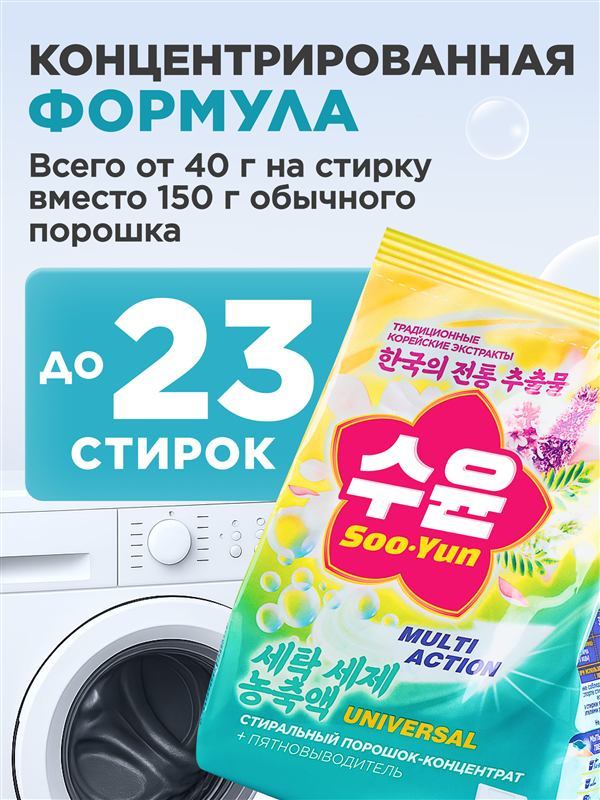
With a concentrate, the correct dose looks alarmingly small. That is the point.
Loading the machine
- Do not overfill. Clothes need room to move, and a packed drum washes badly regardless of detergent
- Powder in the drawer or a dosing ball, per the instructions
- Turn dark items inside out to reduce fading
- Close zips, which damage other fabrics
Temperature
Most modern detergents work at 30–40°C, and lower temperatures are gentler on fabric and cheaper. Reserve 60°C for bedding, towels and anything needing hygienic washing.
A hot wash occasionally helps keep the machine itself clean.
Storage and safety
Dry place, original labelled container, out of children's reach. Detergent is a common cause of accidental poisoning in young children — capsules and pods especially, but powders too.
Never mix with other cleaning products.
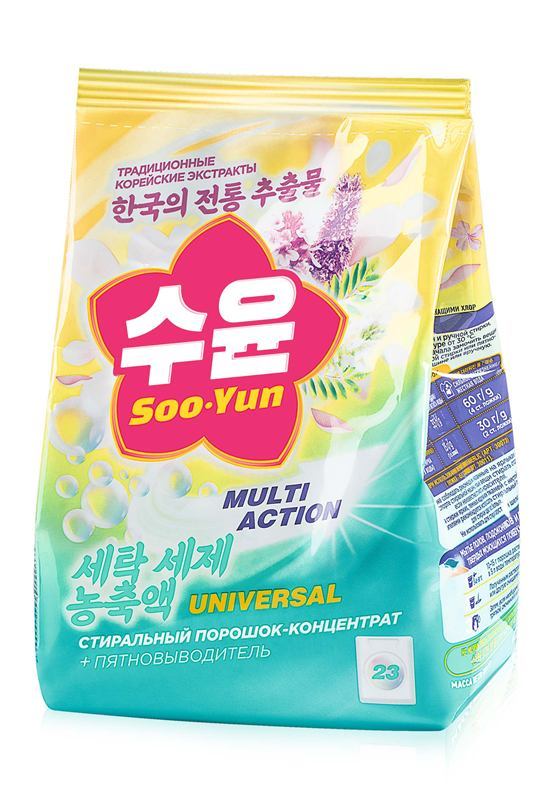
The full dosing guidance is in the Faberlic catalogue and on the pack. For the range, see the home care guide.