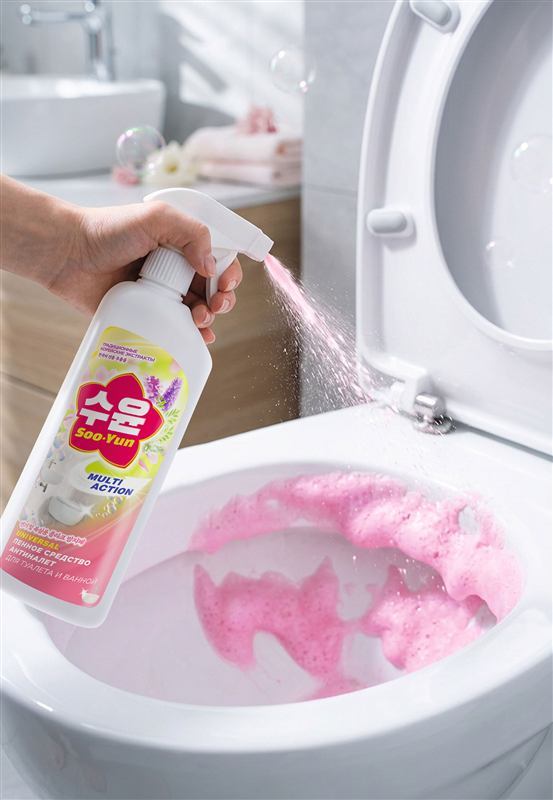
Bathroom products are where household chemistry becomes genuinely dangerous, and the rule is simple enough to state once and follow always.
Never mix cleaning products
Especially in a bathroom. Two combinations matter:
Bleach + acidic cleaner (which includes most limescale removers, and vinegar) releases chlorine gas.
Bleach + ammonia (in some glass and multi-surface cleaners) releases chloramine vapours.
Both are genuinely hazardous in an enclosed, poorly ventilated room, and both happen accidentally — someone uses one product, does not rinse, and reaches for another ten minutes later.
The rule: one product at a time. Rinse thoroughly before using anything else. Ventilate throughout. If you ever smell something sharp and your eyes or throat sting, leave the room and open windows.
How limescale removers work
Limescale is a mineral deposit — mostly calcium carbonate from hard water. Acidic cleaners dissolve it chemically.
This is why contact time matters more than scrubbing. The acid needs minutes to work. Spraying and immediately wiping is the most common reason people conclude a product is weak.
Using it
- Ventilate first — open a window, turn on the fan
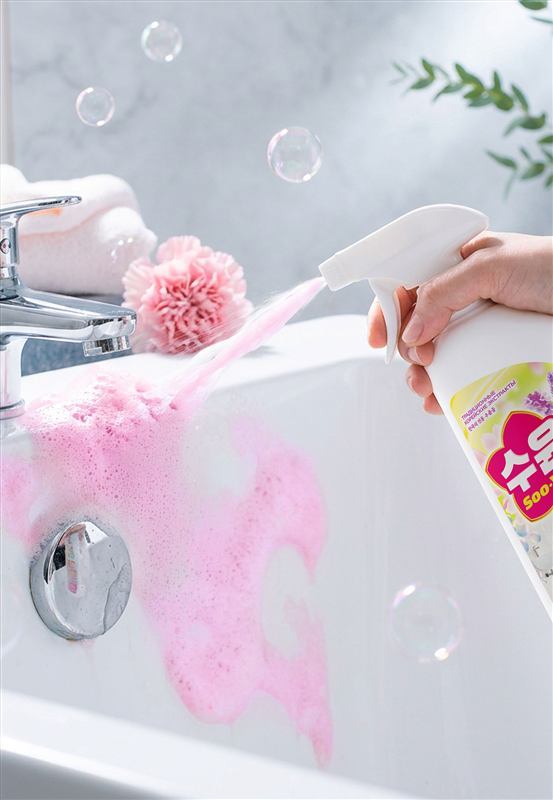
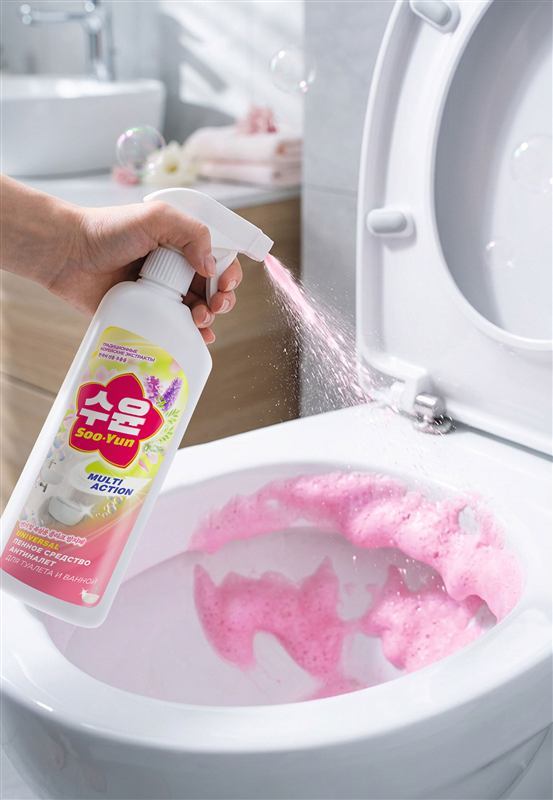
- Apply to the surface and leave it for the stated time
- Do not mix with anything else
- Agitate lightly if needed, then rinse thoroughly
- Gloves. Repeated contact with acidic cleaners is hard on hands
Surfaces to be careful with
Acidic cleaners can damage natural stone — marble, travertine, limestone — and some metal finishes. Test an inconspicuous area first on anything you are unsure of.
Storage
Original container, labelled, out of children's reach. Never decant into a drinks bottle — this is a recurring cause of poisoning in households.
Prevention
A squeegee after showering, and drying taps, prevents most limescale forming. Less effort overall than removing it.
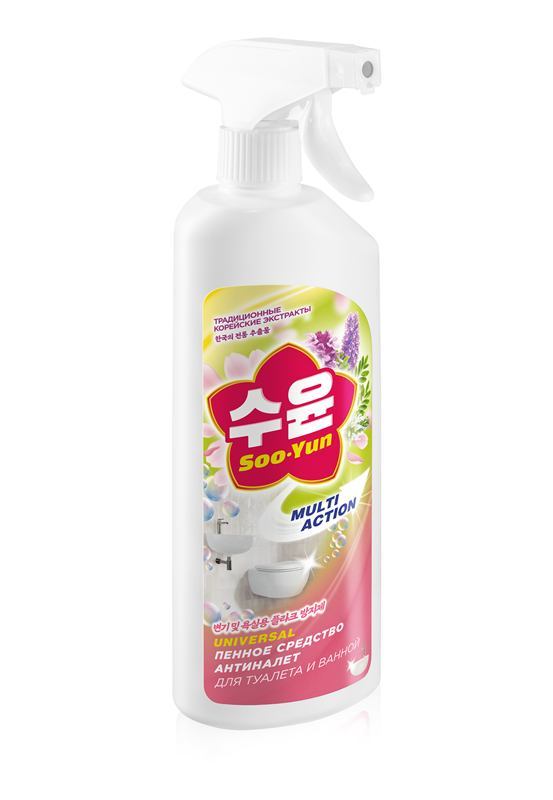
The full composition and instructions are in the Faberlic catalogue and on the label. For the range, see the home care guide.