Stain removal is mostly about the first five minutes and one thing you must not do.
Rule one: act fast
A fresh stain is sitting on the fibres. An old one has bonded to them.
The difference in success rate is enormous — often the whole difference between removable and permanent. If you can treat something within minutes, do, even roughly.
Rule two: never apply heat to an untreated stain
This is the mistake that makes stains permanent.
Hot water, a tumble dryer or an iron sets protein and many other stains into the fabric irreversibly. A stain that would have washed out cold becomes permanent after one hot cycle.
Always check before drying. If the stain is still there after washing, wash again — do not dry it.
The method
- Blot, do not rub. Rubbing spreads the stain and pushes it deeper into the weave
- Scrape off any solids with something blunt
- Rinse with cold water from the back of the fabric, pushing the stain out rather than through
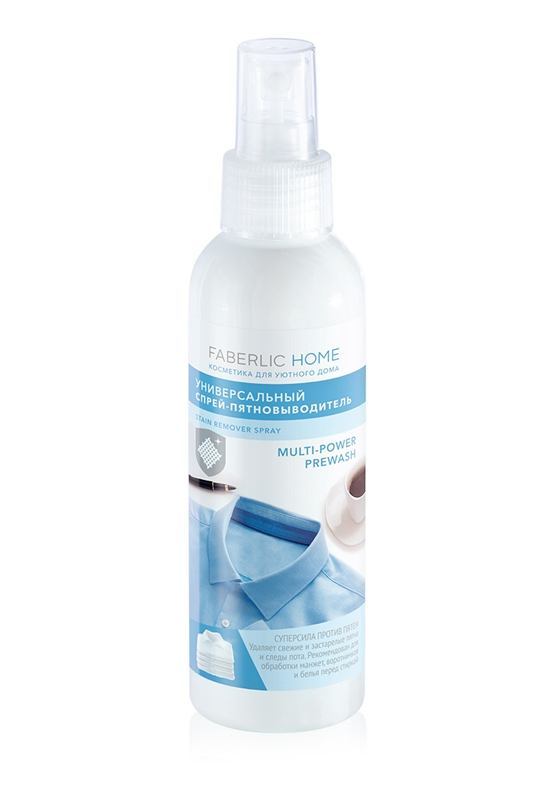
- Apply the stain remover and leave it the stated time
- Wash as normal, cold or warm — not hot
- Check before drying
Test first
On coloured, delicate or unfamiliar fabrics, test an inconspicuous area — an inside seam or hem — and let it dry before treating the visible stain.
Stain-specific notes
- Protein stains (blood, egg, dairy) — cold water only. Hot sets them permanently
- Grease — degreasing action helps; do not wet it first
- Wine and fruit — treat immediately; these bond fast
- Ink — test carefully, since some treatments spread it
Safety
Never mix with other products, particularly anything containing bleach. Ventilate. Gloves for repeated use.
Original labelled container, out of children's reach, never decanted into a drinks bottle.
When to stop
Some stains do not come out, and repeated aggressive treatment damages the fabric more than the stain does. Two attempts, then accept it or take it to a professional cleaner.
The full instructions are in the Faberlic catalogue. For the range, see the home care guide.