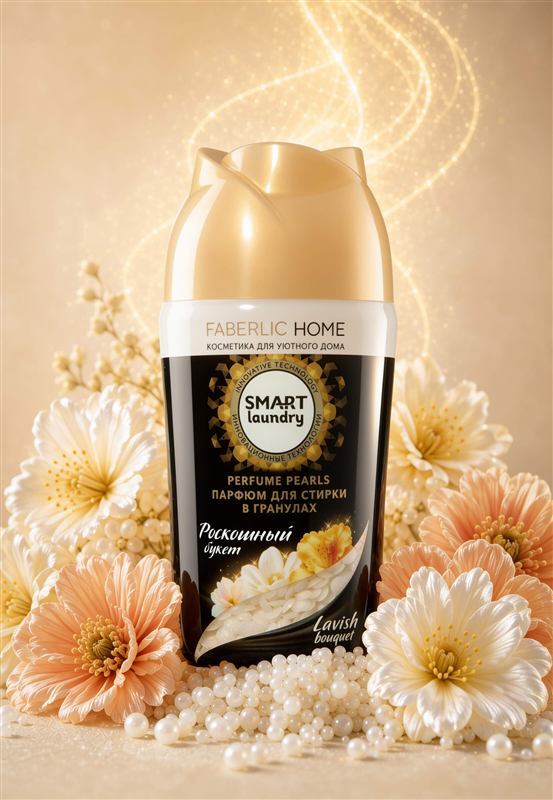
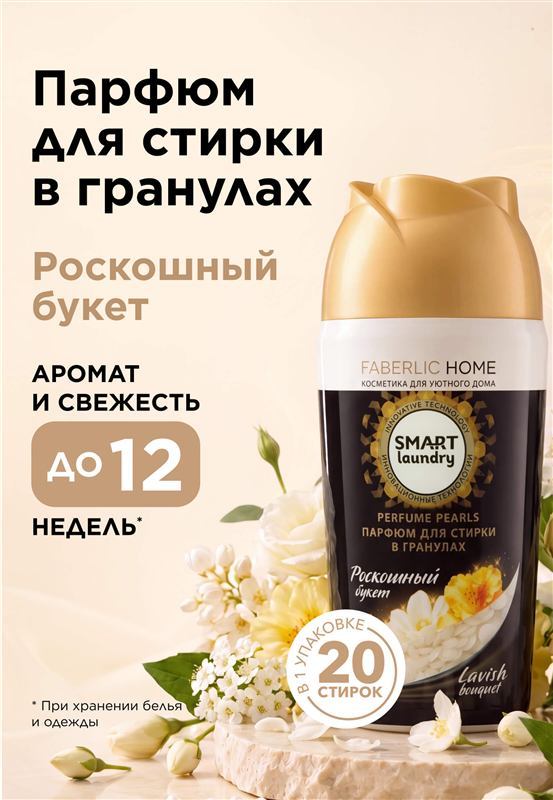


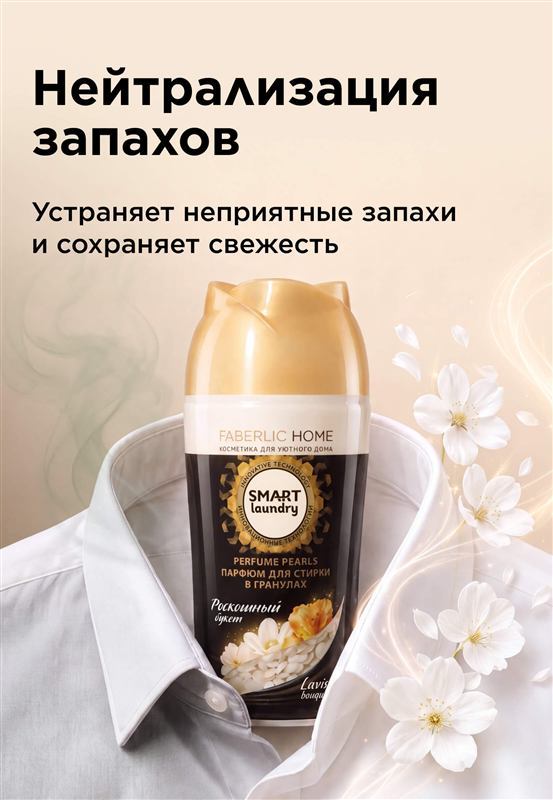
Laundry perfume granules are a scent booster: added to the wash purely for fragrance, with no cleaning or softening function.
What they are for
Fragrance that lasts through drying and into storage, longer than detergent scent alone.
That is the whole purpose. They do not clean, soften, brighten or help in any way with washing performance — which is worth knowing so you do not reduce your detergent to compensate for adding them.
Dosing
Less than you think, and this is a product people routinely overdose because more scent seems better.
- Into the drum, before the laundry, per the instructions
- A small measure. Start below the recommended amount and work up if you want more
- Not into the conditioner compartment unless the label says so
Overdosing leaves residue on fabric, which feels waxy and can irritate skin.
When to reconsider scented laundry
Worth thinking about, because laundry fragrance is the most continuous fragrance exposure most households have — you wear it and sleep in it for hours every day.
Skip it entirely for:
- Babies' and young children's clothing and bedding. Unfragranced is the sensible default
- Anyone with eczema, sensitive skin or dermatitis. Laundry products are among the first things to remove when troubleshooting skin irritation, and are frequently the cause
- Anyone with asthma, for whom strong fragrance can be a trigger
- Towels, which should stay absorbent and plain
If someone in the house has unexplained skin irritation, removing scented laundry products for a month is a cheap and often effective test.
Not a substitute for washing properly
If laundry smells musty, the cause is usually damp left in the machine, too much detergent, or clothes left wet in the drum. Adding fragrance masks it rather than fixing it — and the underlying smell returns.
Leave the machine door open between washes, run a hot cycle monthly, and dry laundry promptly.
The full instructions are in the Faberlic catalogue. For the range, see the home care guide.