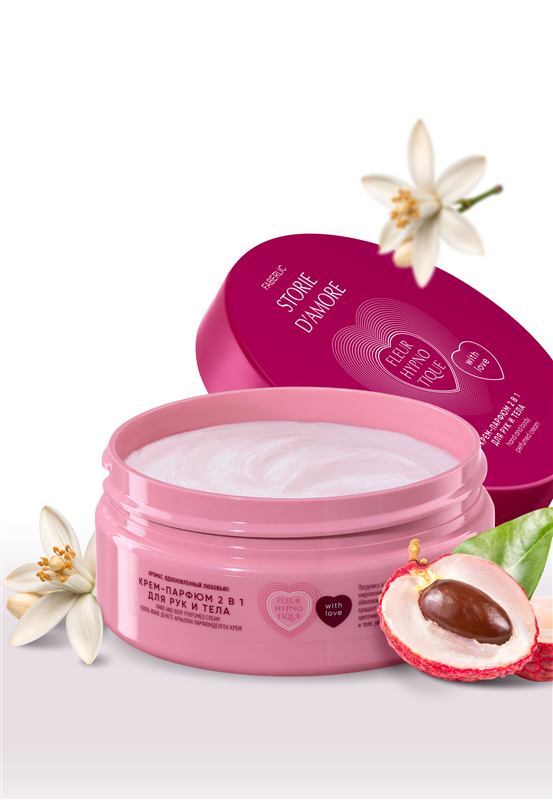
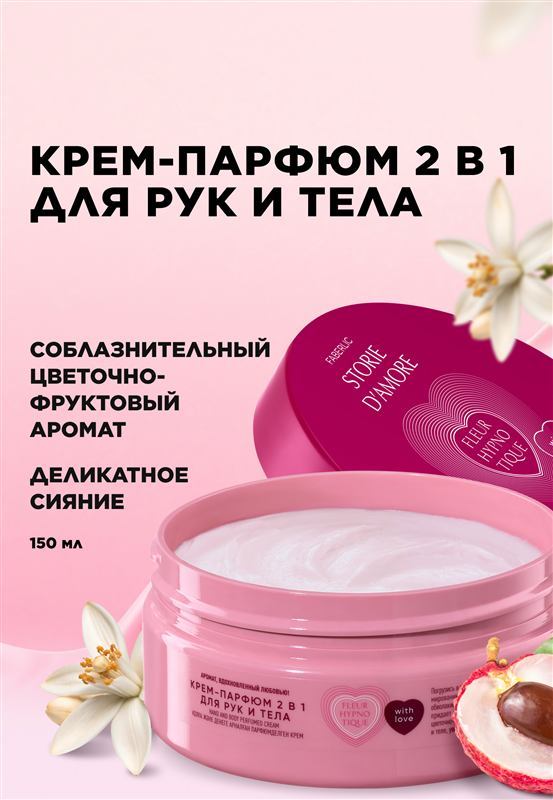

A perfumed cream is two products at once: skincare and a light fragrance. That makes it useful and occasionally a problem, depending on what else you are wearing.
The layering question
If you wear fragrance, a scented cream can either support it or fight it.
It supports it when both come from the same line. The cream slows evaporation from underneath and the scent builds in layers, which is the single most effective way to make any fragrance last longer.
It fights it when they are different scents. Two fragrances on one person produce a third, usually worse than either — and since you cannot smell your own after ten minutes, you will be the last to know.
The safe options:
- Same line for both
- Scented cream on hands and body, fragrance on pulse points only, if the two are compatible
- Unscented cream under a fragrance you care about
- Perfumed cream alone, with no fragrance on top
When perfumed creams are the better choice
- Work environments where a full fragrance is too much. A perfumed cream projects far less
- Situations where fragrance is unwelcome — some medical settings, around people with asthma or migraine
- As a light alternative on days you want to smell of something without committing
- In a handbag, where it does hand care and a scent refresh in one
The scent itself
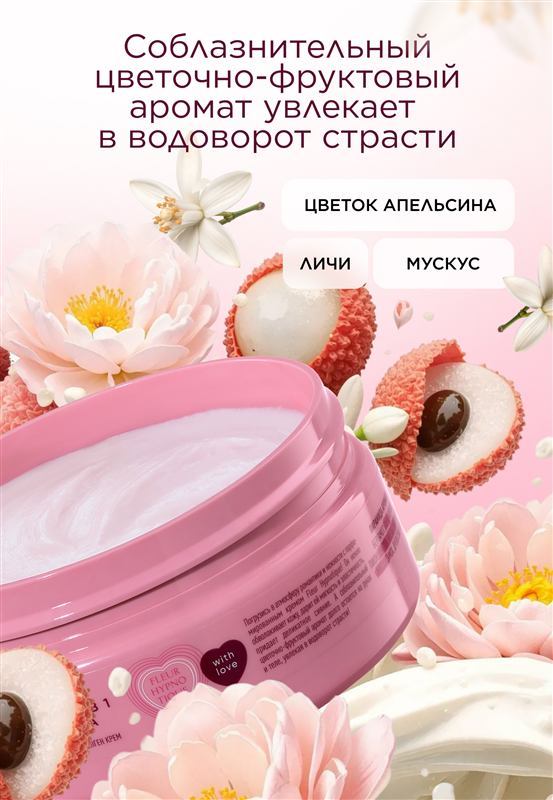
Described in the catalogue by the people who composed it. As with any fragrance, it develops differently on different skin, so test rather than relying on a description.
Using it
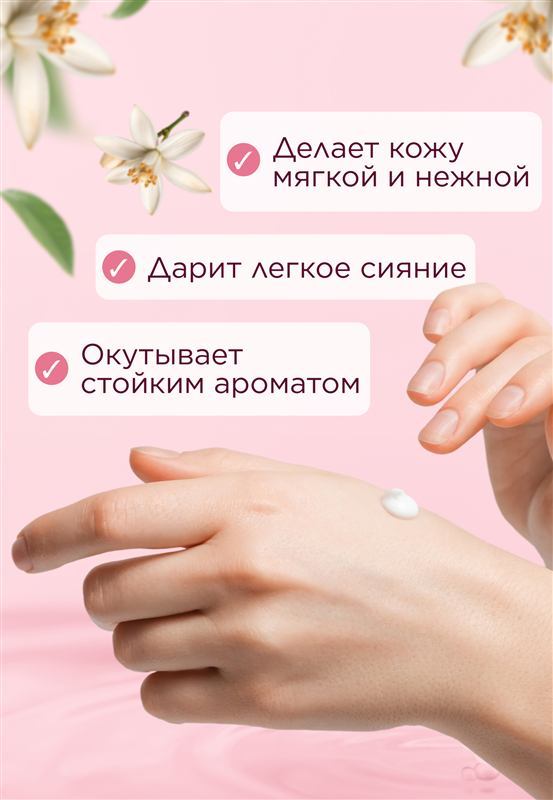
On damp skin, within a minute of washing — the highest-value habit with any moisturiser.
Hands: after every wash. Body: concentrate on shins, forearms, elbows and knees.
One caution
Fragrance is the most common cosmetic irritant. If your skin is reactive, patch test — and for very dry or cracked hands, an unfragranced cream is the safer choice while they recover.
The full composition is in the Faberlic catalogue. For fragrance layering, see the perfume section.