
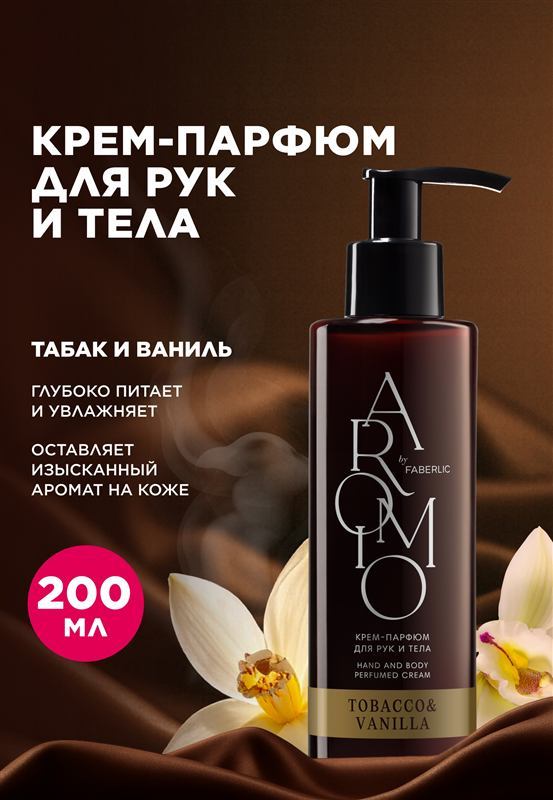


Hands take the worst of winter, and warm-scented creams are a cold-weather category for a reason that applies to both halves of the product.
Why hands suffer in winter
Cold and wind accelerate water loss directly from the skin.
Heated indoor air holds very little moisture — often the larger cause, since you spend more hours in it than outside.
Hot water is more tempting on a cold morning, and it strips more.
More frequent washing in cold-and-flu season.
All four compound, which is why hands that are fine in June crack in January.
What to change
- Cream after every wash, without exception. The single most effective habit
- Something rich overnight, with cotton gloves over the top if hands are rough
- Gloves outdoors. Wind does more damage than cold alone
- Gloves for washing up. No cream compensates for repeated hot water
- Lukewarm water rather than hot
- A humidifier if you have central heating — it helps hands, skin and hair at once
The scent half
Cold suppresses the release of scent molecules, which is why fragrance seems to fade in winter. Warm scent profiles are a cold-weather choice partly for this reason: they carry when lighter ones disappear.
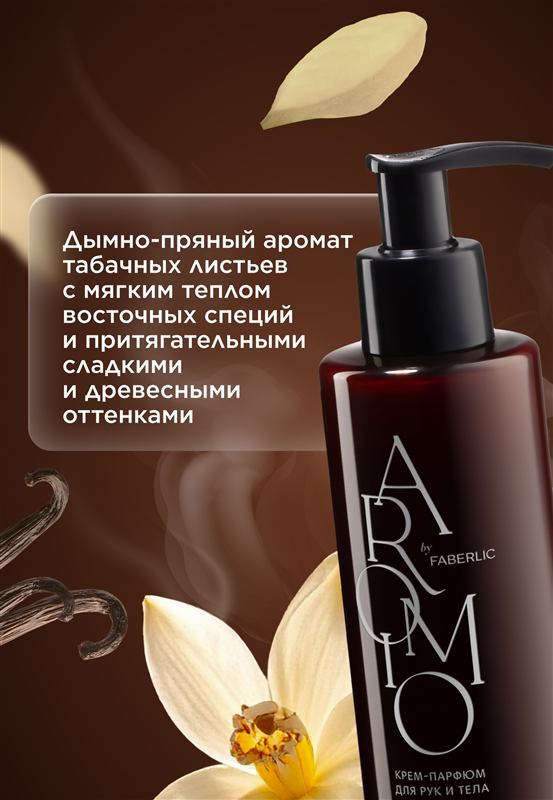
The scent itself is described in the catalogue by the people who composed it.
If you wear perfume, be careful of clashing. A scented cream and a different fragrance produce a third smell — keep them from the same line, or use an unscented cream underneath the fragrance you care about.
Applying it
Backs of the hands first, then between fingers, then nails and cuticles. On damp skin within a minute of washing.
On the body: shins, forearms, elbows and knees, which are driest in winter.
When it is not enough
Cracked, bleeding or painful skin is a medical matter. Hand eczema flares in winter and is common, treatable, and made worse by months of trying different creams instead of seeing a doctor.
The full composition is in the Faberlic catalogue. For winter care generally, see the skincare section.