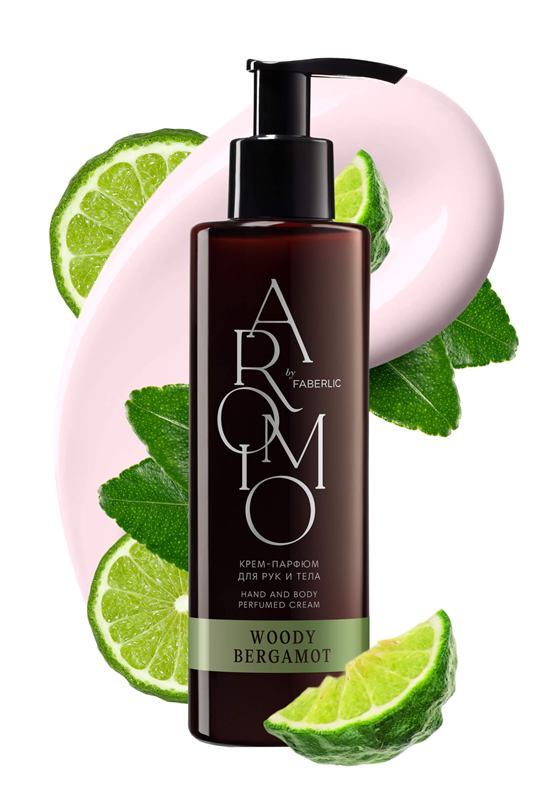


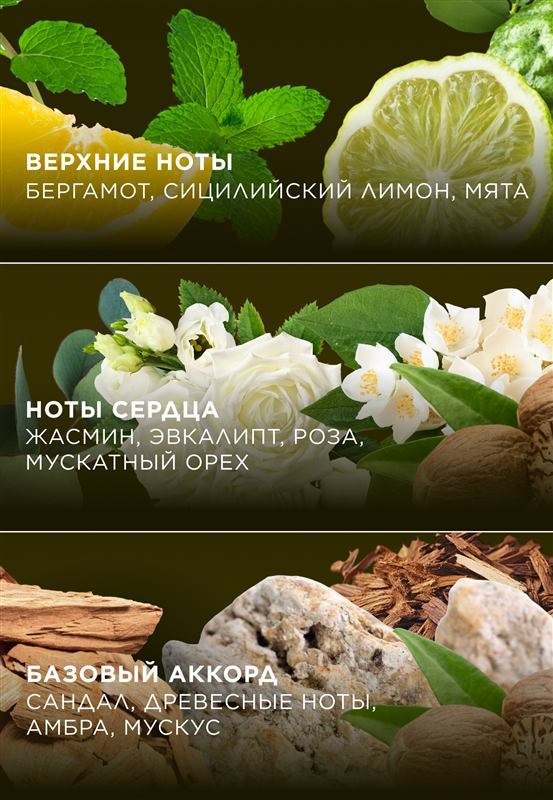

Woods and citrus are the two least gendered directions in fragrance, whatever the marketing on any given bottle suggests. That makes a cream in this territory unusually broadly wearable.
Why these profiles suit almost everyone
Woods sit close to the skin, read as composed rather than decorative, and are neither sweet nor sharp. They work in professional settings where a heavier scent would not.
Citrus is the most immediately likeable direction in perfumery and the least likely to be disliked by anyone nearby.
Together they are about as safe as scent gets — which is precisely why this kind of profile is a sensible choice when you are buying for someone else.
Scented cream as a gift
Genuinely one of the better low-risk options:
- Far less personal than perfume, which is the hardest thing to buy for someone
- Useful regardless of taste — everyone needs hand cream
- Small commitment. If they do not love the scent, they have still gained a hand cream
- No shade or size matching, unlike almost everything else in cosmetics
Compare that with a full fragrance, where the failure rate is high and the bottle sits unused.
Using it
On damp skin, within a minute of washing. This applies to any moisturiser and is the highest-value habit available.
Hands: after every wash, backs of the hands first, then between fingers, nails and cuticles.
Body: shins, forearms, elbows and knees, which are driest.
If you wear fragrance
A scented cream and a different perfume make a third smell. Keep them from the same line, use an unscented cream under a fragrance you care about, or wear the cream on its own.
Woody-citrus profiles are among the more forgiving to layer, but "more forgiving" is not "safe".
One caution
Fragrance is the most common cosmetic irritant. Patch test if skin is reactive, and use something unfragranced while hands are cracked.
The scent itself is described in the Faberlic catalogue by the people who composed it. For fragrance families, see the perfume section.