
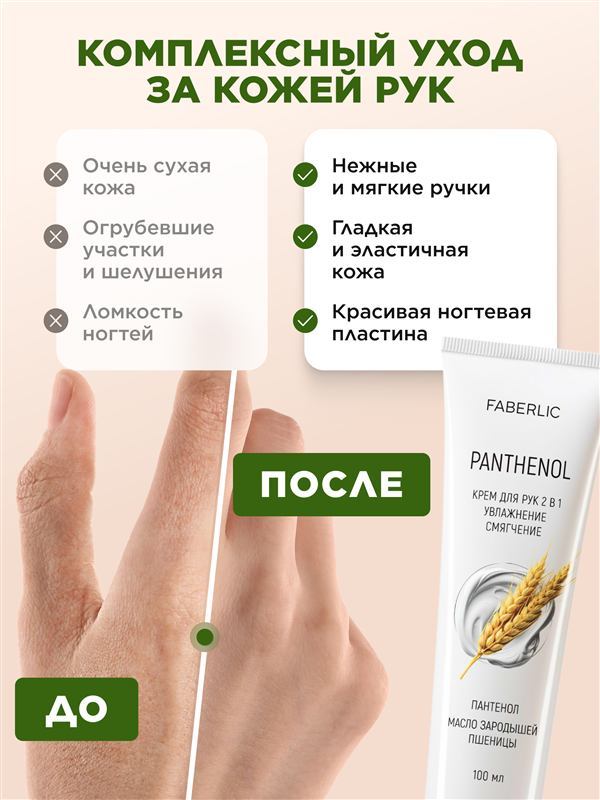

Hands are washed more often than any other skin on the body, have very few oil glands, and take the full force of cold air, hot water and detergent. That combination is why they dry out faster than anywhere else.
The habit that beats the product
Apply after every hand wash, not once at bedtime.
Water and soap strip the skin, and the minutes immediately afterwards are when replacing that barrier does the most good. Someone using an ordinary cream after every wash will have better hands than someone using an excellent cream once a day.
Which means placement matters: a tube where you actually wash your hands, not in a drawer.
Building the routine around it
- A thin, fast-absorbing cream by the sink and in your bag — something you can use before typing or handling paper
- A richer one by the bed, where absorption time stops mattering
- Gloves for washing up, and in cold weather. No cream compensates for repeated hot water
- Lukewarm water when washing, not hot
Applying it
Do not just rub palm to palm. Work it over the backs of the hands, which is where the skin is thinnest and where dryness and ageing show first, then between the fingers, then the nails and cuticles.
The palms need it least and get it most.
What panthenol is
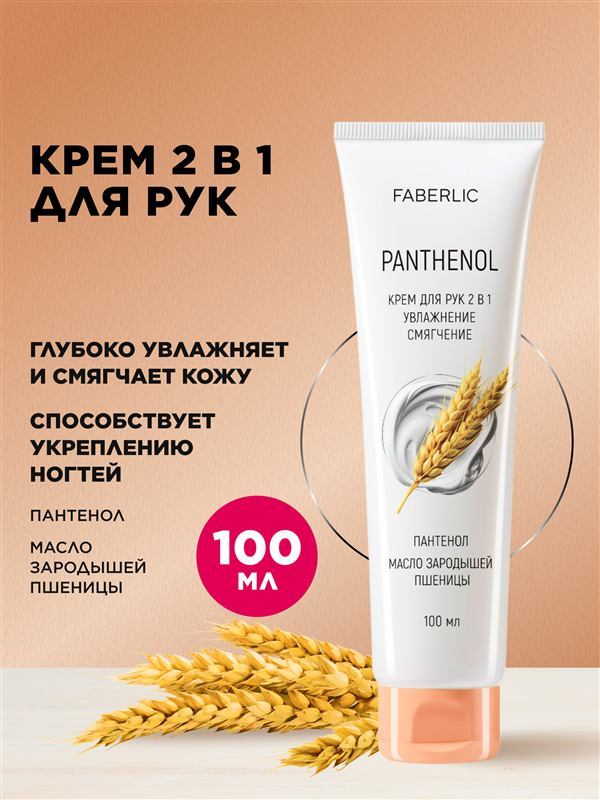
Provitamin B5, a common and well-tolerated ingredient in skincare, used for its moisturising and soothing properties. It appears widely across the industry — the full composition of this product is in the Faberlic catalogue.
When it is not enough
Cracked and painful rather than dry is a medical problem, not a cosmetic one. Deep fissures, bleeding, persistent itching or spreading rash need a doctor — hand eczema and contact dermatitis are common and treatable, and months of trying creams delays help that would work.
The overlooked step
Sun protection on the backs of the hands. They are exposed constantly, sunscreen is almost never applied there, and it is where sun damage becomes visible earliest.
For the hand-care routine in context, see the skincare section.