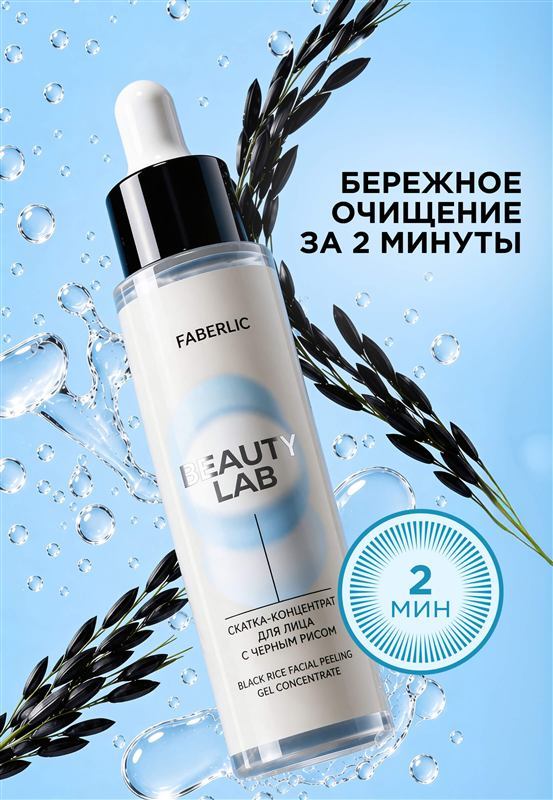
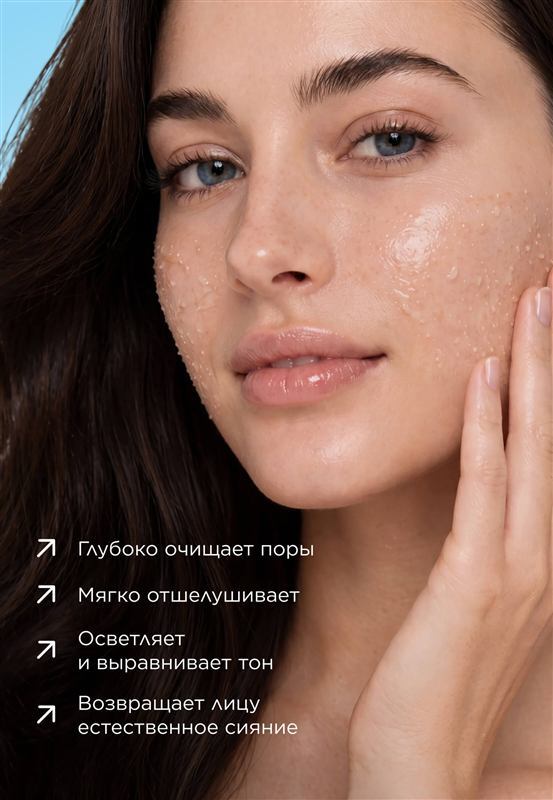
A peeling gel — sometimes called a gommage or a rolling exfoliant — is applied to the skin and then rubbed off, forming small rolls as you go. It is satisfying to use, and widely misunderstood.
What those rolls actually are
Mostly the product, not your skin.
Peeling gels contain film-forming ingredients that congeal under friction. They pick up some surface debris and dead cells along the way, but the visible pilling is largely the gel itself.
This matters because people take the quantity of rolls as evidence of how much dead skin they had — and then use it more often to chase that result. It is not a measurement of anything.
That does not make the product useless. The gentle friction plus the ingredients does provide mild exfoliation. It simply does less than the visual suggests.
Frequency
Once a week. Twice at the absolute most.
Because it feels mild and looks productive, this is a product people overuse. Over-exfoliating causes the tightness, stinging and new reactivity that then get treated as "sensitive skin".
How to use it
- Apply to clean, dry skin. Wet skin stops it working
- Massage gently in small circles for thirty to sixty seconds
- Light pressure. The friction is the mechanism, and harder is not better — it is how you damage the barrier
- Avoid the eye area
- Rinse thoroughly with lukewarm water
- Moisturise immediately
When to skip it
- Active breakouts — friction on inflamed skin spreads irritation
- Sunburnt, broken or flaking skin
- The same day as a retinoid or acid
- While adjusting to any new active
Afterwards
Exfoliated skin is more sun-sensitive. Use it in the evening, and be consistent with sun protection the next day.
The honest place for it
A pleasant weekly step that leaves skin smoother for a day or two. Not a treatment, and not more effective for being used more often.
The full composition is in the Faberlic catalogue. For exfoliation in context, see the skincare section.