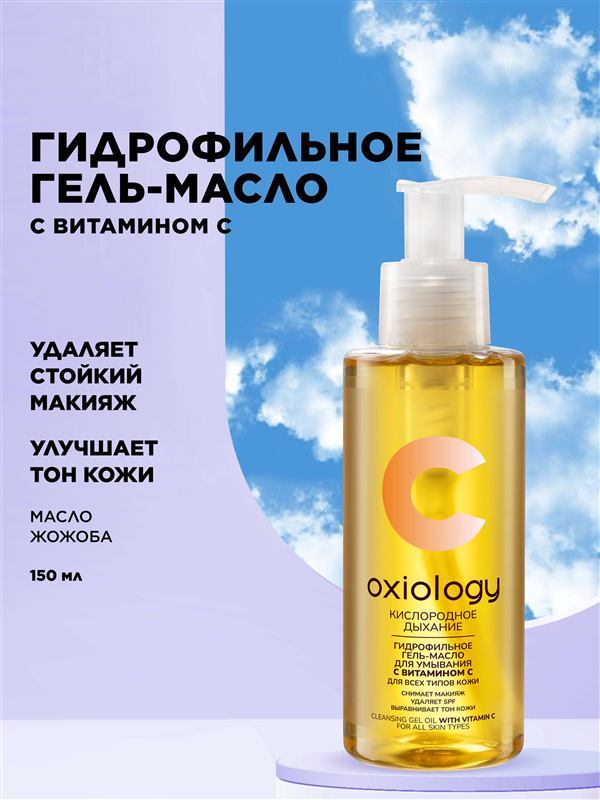
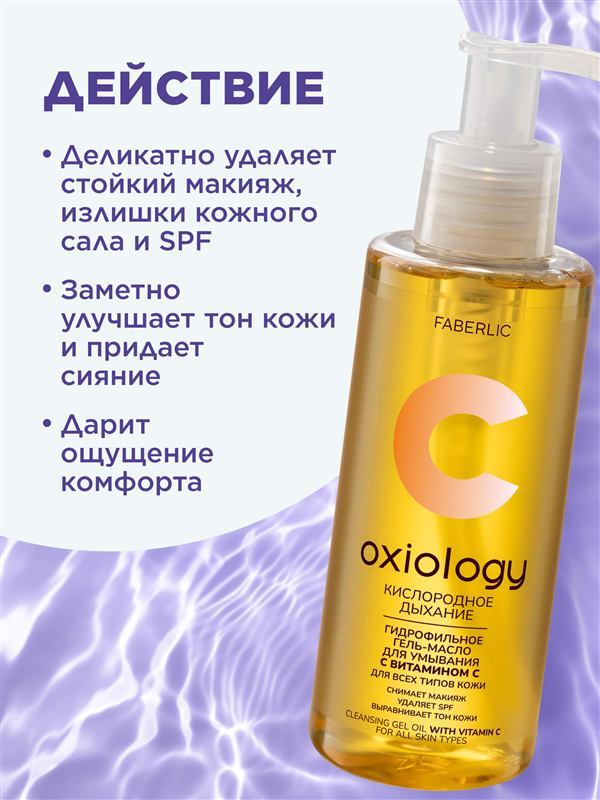


A hydrophilic oil is an oil cleanser designed to rinse away with water rather than leaving a film. It is the most effective first step for removing makeup and sunscreen, and the one most often used incorrectly.
Why oil removes makeup better
Like dissolves like. Makeup, sunscreen and the skin's own sebum are oil-soluble, which is why water-based gels struggle with them however much you scrub.
An oil cleanser dissolves them instead of trying to wash them off — more thorough and considerably gentler.
Yes, including on oily skin
The common objection is that oil on oily skin must be a mistake. It is not: the oil binds the sebum and lifts it away, and hydrophilic formulas rinse clean rather than sitting on the surface.
Many people find their skin is less oily after a few weeks of oil cleansing, because they have stopped stripping it.
The step people miss: emulsifying
This is what separates a good result from a greasy one.
- Apply to completely dry skin and dry hands. Water first stops the oil dissolving anything
- Massage for thirty to sixty seconds, letting it break down makeup and sunscreen
- Add a little water and keep massaging. The oil turns milky — this is emulsification, and it is what allows it to rinse away cleanly
- Rinse with lukewarm water
- Follow with your usual cleanser if you wore makeup or sunscreen
Skipping step three is why people report oil cleansers leaving a film.
Where it fits
The first step of a two-step evening cleanse. Not a morning product, and not needed on days you wore nothing on your face.
If it causes congestion
Some skins do not get on with oil cleansing. Give it three weeks, then judge — but persistent new congestion after a month means it is not for you, and a milk or micellar water is the gentler alternative.
The full composition is in the Faberlic catalogue. For double cleansing in detail, see the skincare section.