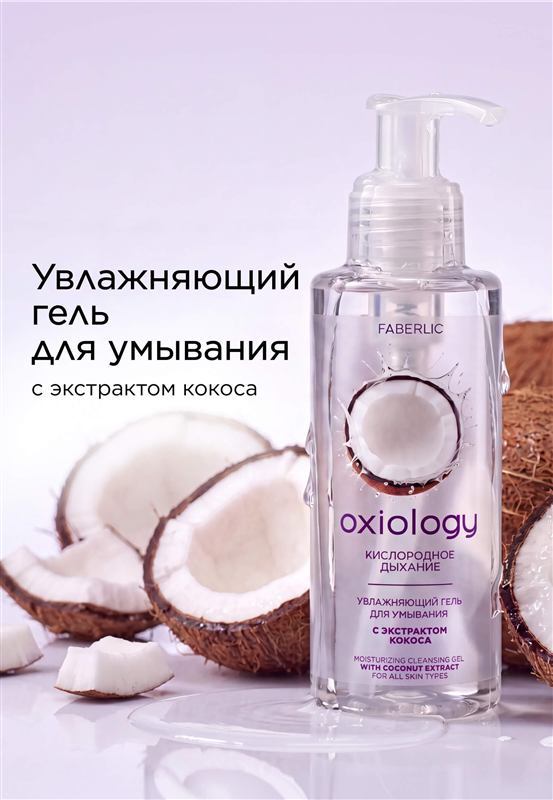
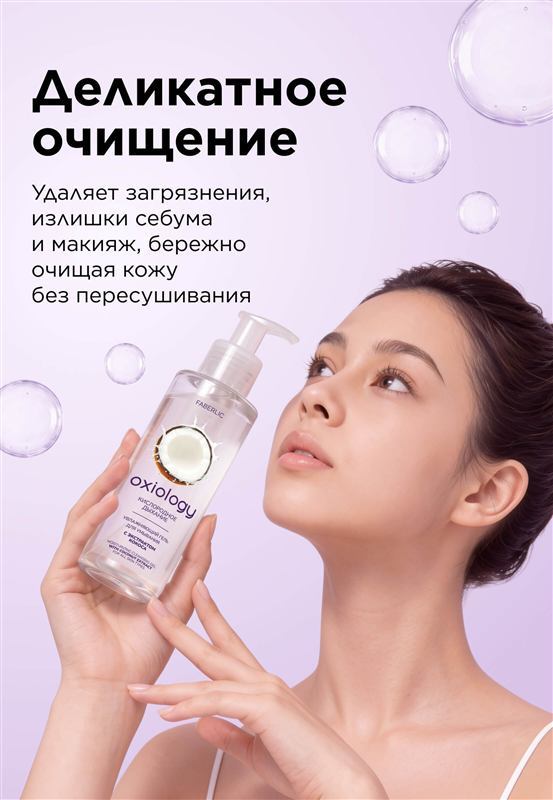

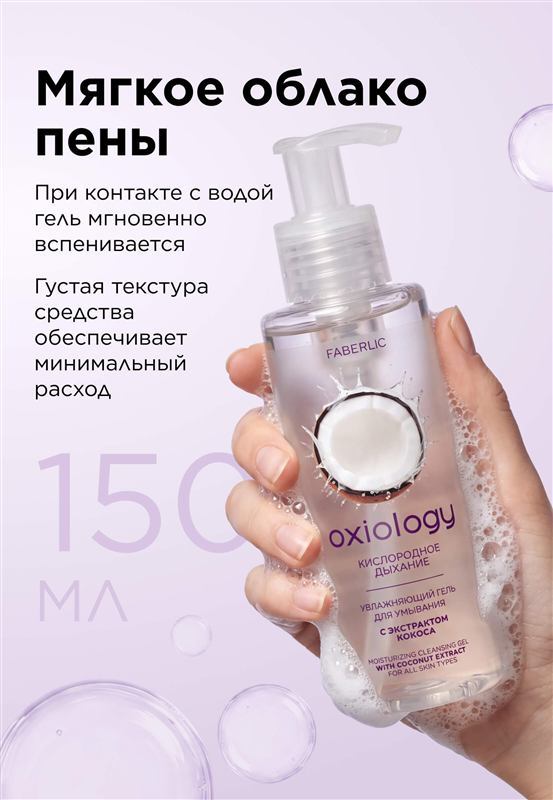

Gel cleansers have a reputation for being drying, which comes from a generation of products that were. A moisturising gel is formulated to clean thoroughly without stripping — the distinction is in how your skin feels afterwards, not in the format.
The test that matters
Comfortable, not squeaky.
That squeaky feeling people associate with cleanliness is the sound of a stripped barrier. If your skin feels tight after washing, or stings when you apply anything, the cleanser is too harsh for you.
This test overrides marketing, price and brand.
How often
Evening: yes, properly. Makeup, sunscreen and the day's accumulation.
Morning: lightly. Your face has been on a clean pillow for eight hours. Oily skin usually benefits from a light cleanse; dry skin often does better with water alone.
Never more than twice. A third wash because your skin feels oily is how you end up with skin that produces more oil.
Technique
- Lukewarm water. Hot strips lipids and increases redness
- Warm the gel between your palms so it spreads evenly
- Thirty seconds of gentle massage with fingertips — not brushes, not washcloths
- Rinse thoroughly. Residue causes irritation and dullness, and under-rinsing is widespread
- Pat dry, then moisturise within a minute while skin is still damp
That last point does more for hydration than most serums.
Who it suits
Normal, combination and oily skin as an everyday cleanser. Dry and sensitive skin may prefer a milk, at least in winter — and the same person may want both, using the gel in summer and a milk in cold months.
When one pass is not enough
If you wear makeup or sunscreen, one cleanse rarely removes it. Micellar water or an oil first, then this — two mild steps beat one aggressive one.
What to avoid alongside
Cleansing brushes, daily scrubs and very hot water. All damage the barrier faster than they clean.
The full composition is in the Faberlic catalogue. For the full routine, see the skincare section.