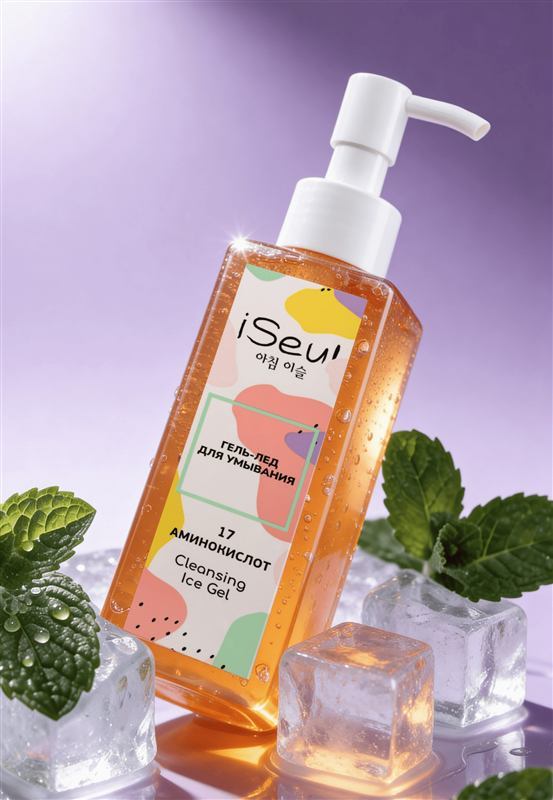




A cooling cleanser is a gel formulated to feel cold on application. It is a pleasant sensory quality, and it is worth understanding what that sensation is and is not.
What cooling means
A cooling effect on skin generally comes from ingredients that stimulate the cold receptors in your skin — the same mechanism that makes menthol feel cold without actually lowering temperature much.
It is a sensation, not a treatment. It feels refreshing, particularly in heat or on tired skin. It does not close pores — pores do not open and close — and it does not reduce oil production.
Enjoying it is a perfectly good reason to choose a product. Expecting it to do something is not.
Cooling versus stinging
Worth distinguishing, because they can be confused:
Cooling is comfortable, appears immediately, and fades within a minute or two.
Stinging, burning or tightness is your barrier objecting. That is a signal to stop using the product, not something to get used to.
If a "refreshing" sensation is uncomfortable rather than pleasant, or persists after rinsing, the product is not right for your skin.
Who it suits
- Oily and combination skin, which generally suits gel textures
- Hot weather, where the sensation is genuinely welcome
- Morning cleansing, where the wake-up effect is the appeal
Sensitive and reactive skin should approach cooling formulas cautiously — the ingredients that produce the sensation are among the more common irritants for reactive skin.
How to use it
Lukewarm water, warm the gel in your palms, thirty seconds of gentle massage with fingertips, rinse thoroughly, pat dry, moisturise within a minute.
Twice a day maximum. Evening properly, morning lightly.
If you wear makeup
A gel alone rarely removes makeup or sunscreen. Micellar water or an oil first, then this.
The full composition is in the Faberlic catalogue. For choosing a cleanser format, see the skincare section.