
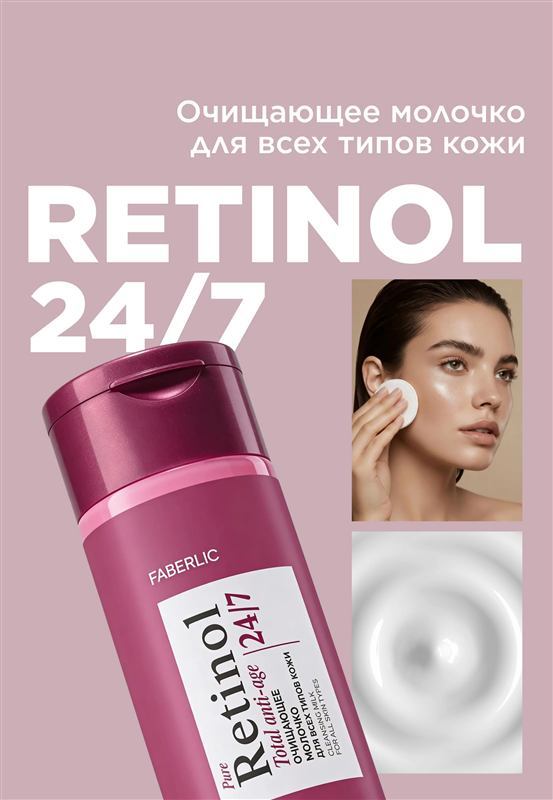


A cleansing milk works differently from a gel or foam, and the difference matters more than most people realise.
What a milk does
Milks dissolve makeup and surface oil rather than lathering them away. There is no foaming agent, which means:
- Nothing strips the lipid barrier
- It removes oil-based things well — makeup and sunscreen, which water-based gels struggle with
- It leaves skin comfortable rather than squeaky
That last point is the test. If your cleanser leaves you tight, it is too harsh for you regardless of price or brand.
Who should use a milk
- Dry and sensitive skin, where foaming cleansers cause tightness
- Anyone using a retinoid or acids, since the skin is more reactive
- Mature skin, which tolerates stripping less well than it once did
- Anyone in winter, at least seasonally
- As a first step in a two-step evening cleanse, for anyone wearing makeup or sunscreen
Who might prefer a gel
Oily skin that feels under-cleaned by a milk, and anyone who dislikes the residue-free-but-not-squeaky finish. Both are legitimate preferences.
How to use it
As a full cleanse: apply to dry skin, massage for thirty seconds, then either rinse with lukewarm water or wipe with a damp cloth.
As a first step: apply to dry skin, massage to dissolve makeup, wipe or rinse, then follow with your usual cleanser. This two-step approach is more thorough and gentler than scrubbing once with something strong.
Morning or evening
Evening primarily. In the morning most people need very little — your face has been on a clean pillow — and dry skin often does better with water alone.
Never more than twice a day.
Afterwards
Moisturise within a minute, while skin is still slightly damp. That timing does more for hydration than most serums.
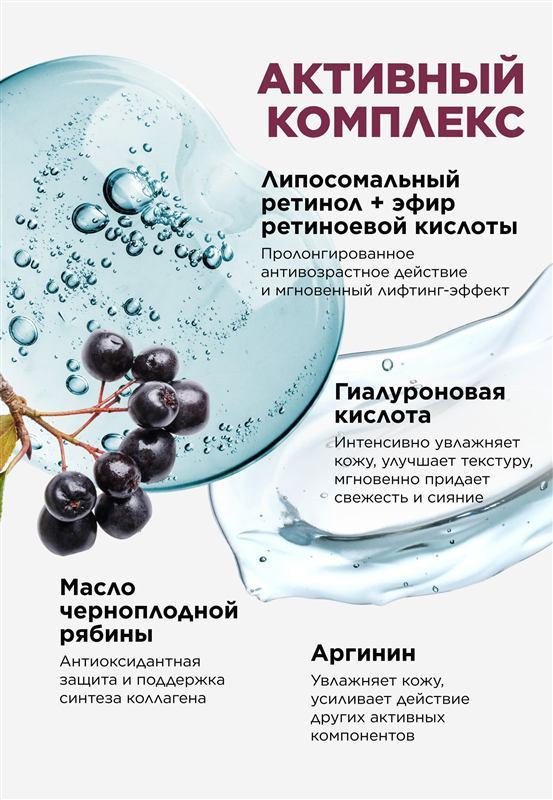
The full composition is in the Faberlic catalogue. For the full cleansing routine, see the skincare section.