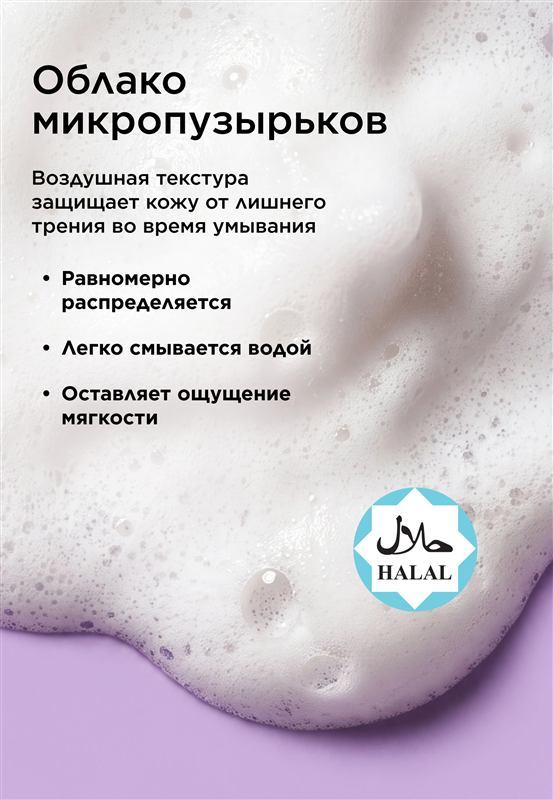
A cleansing foam sits between a gel and a milk: it lathers, but more softly, and it is generally the milder of the foaming options.
Foam versus gel
Gels clean more thoroughly and suit oily skin. Foams are gentler on the barrier and suit normal-to-drier skin, and anyone who finds gels leave them tight.
The practical difference is how your skin feels five minutes after rinsing. Comfortable is right; tight is not.
Why mature skin wants the gentler option
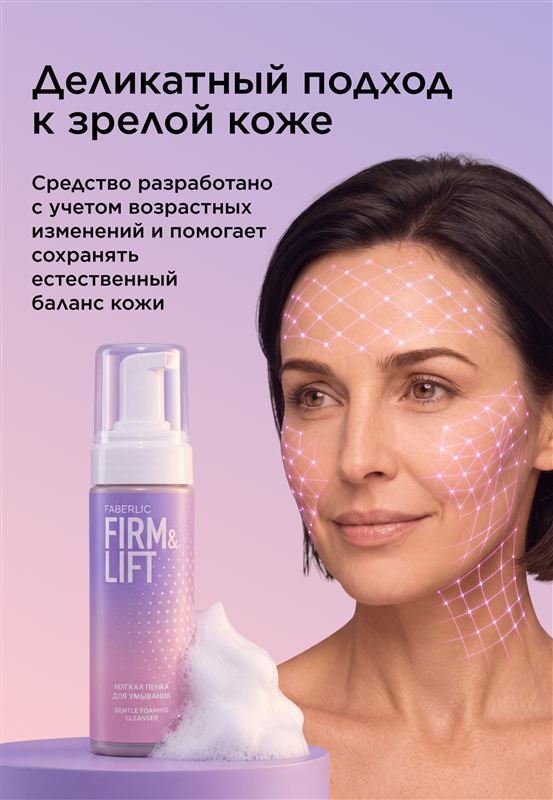
Skin thins gradually with age, produces less oil, and recovers moisture more slowly. A cleanser tolerated comfortably at twenty-five can leave the same person tight at forty-five without anything else having changed.
If long-standing products have started to sting or dry you out, this is usually why — and the cleanser is the first thing to change, not the moisturiser.
How to use it
- Lather in your hands first, not on the face. Foams work better applied already foamed, and it means less friction on the skin
- Lukewarm water. Hot water is the most common aggravator in any routine
- Thirty seconds, fingertips only
- Rinse thoroughly, including the hairline and jaw
- Pat dry — never rub — and moisturise within a minute while skin is damp
Morning and evening
Evening properly, morning lightly. Drier skin often does better with water alone in the morning.
Twice a day is the maximum for any skin.
If you wear makeup
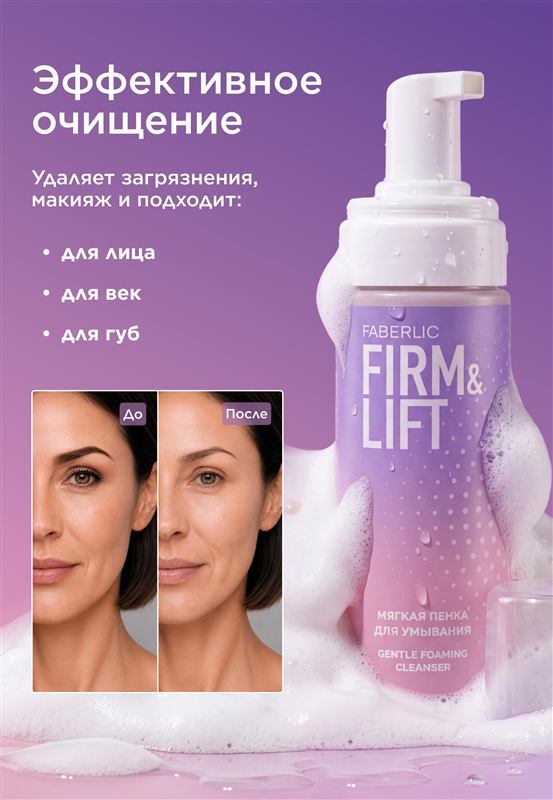
One pass rarely removes makeup or sunscreen. Use a milk, oil or micellar water first, then this. Two mild steps are both more thorough and gentler than one aggressive wash.
What to stop doing alongside
Cleansing brushes and washcloths, daily scrubs, and very hot showers. On thinner or mature skin these do more damage than on any other type, and they undo the point of choosing a gentle cleanser.
The full composition is in the Faberlic catalogue. For the full routine, see the skincare section.