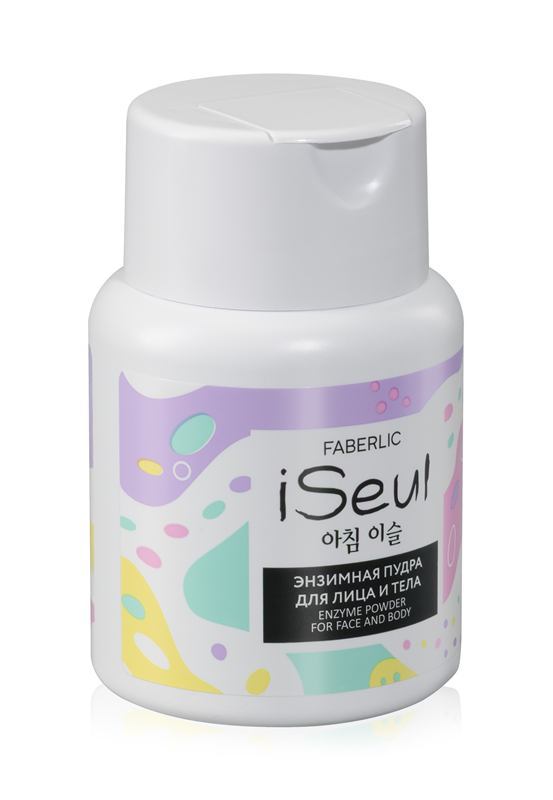
Enzyme powder is a dry powder that activates when mixed with water in your hands. It is a gentler category of exfoliation than scrubs, and it needs the same restraint as any other.
How it differs from a scrub
Physical scrubs work by abrasion — particles rubbed across the skin. Effective, and easy to overdo, particularly on inflamed skin where the friction spreads irritation.
Enzyme exfoliants work chemically, loosening the bonds between dead surface cells so they release without scrubbing. No abrasion, so no risk of micro-tears, and gentler on reactive skin.
Gentler does not mean unlimited. It is still exfoliation, and the frequency rules still apply.
Frequency
Once or twice a week. No more.
Over-exfoliating is the leading cause of the sensitised, reactive skin that people then try to treat with more products. The signs: tightness, new stinging, redness, or skin that reacts to things it used to tolerate.
If any of those appear, stop for two to three weeks entirely.
How to use it
- Tip a small amount into wet palms — a fraction of a teaspoon
- Add water and work it into a foam or paste. It needs water to activate; on dry skin it does nothing
- Massage gently for thirty to sixty seconds. Let the enzymes work rather than scrubbing
- Rinse thoroughly with lukewarm water
- Moisturise immediately
When not to use it
- On broken, sunburnt or irritated skin
- The same day as a retinoid or an acid
- While your skin is adjusting to any new active
- More than twice weekly, regardless of how gentle it feels
Afterwards
Exfoliated skin is more vulnerable to sun. Use it in the evening, and be consistent with sun protection the following day.
On the body
Body skin is thicker and tolerates more, but the same weekly ceiling is sensible — particularly on the chest and neck, which are thinner than the limbs.
The full composition is in the Faberlic catalogue. For exfoliation in context, see the skincare section.