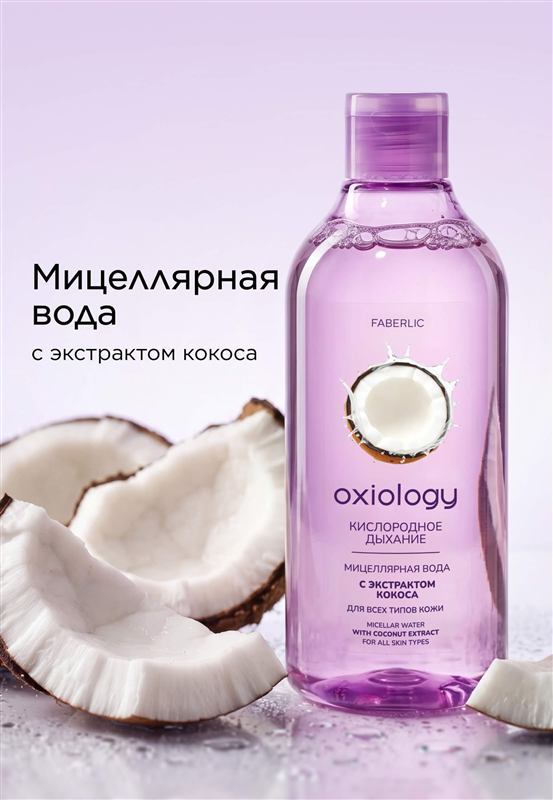

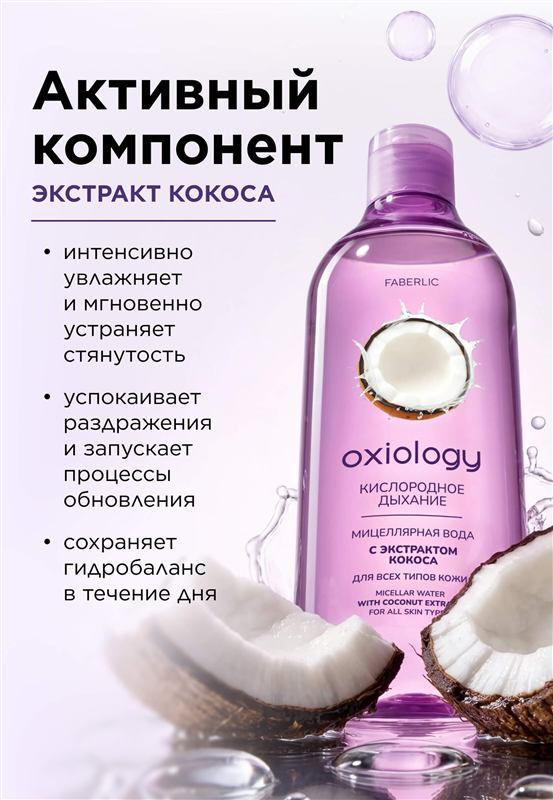
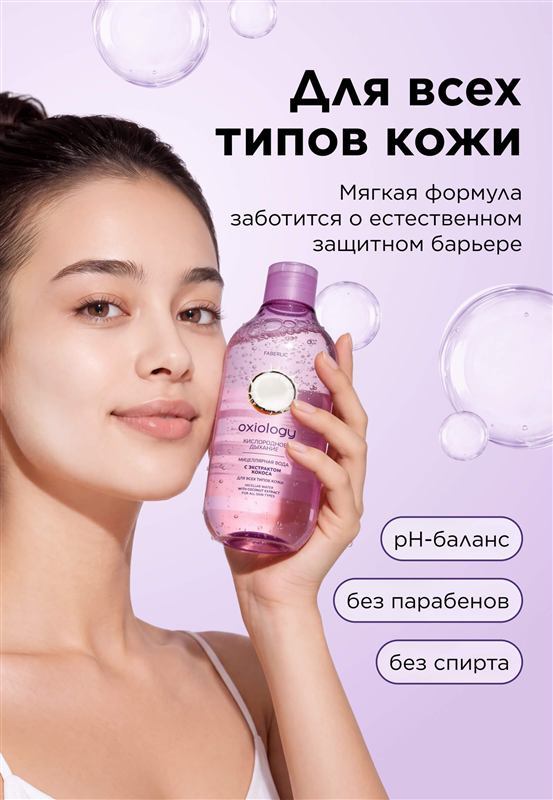
Micellar water removes makeup without the tugging of wipes or the sting of a harsh cleanser. It is also the most misunderstood product on the shelf, mostly regarding what it replaces.
How it works
Water containing micelles — tiny cleansing molecules that attract oil and makeup and lift them onto the cotton pad. No foam, no rubbing, no rinsing needed for the removal step itself.
That is genuinely gentler than most alternatives, which is why it suits sensitive and reactive skin.
Where it belongs
Step one, not the whole routine:
- Removing makeup in the evening, before an actual cleanser
- A quick morning refresh when a full wash feels like too much
- Travelling, or any time you cannot reach a sink
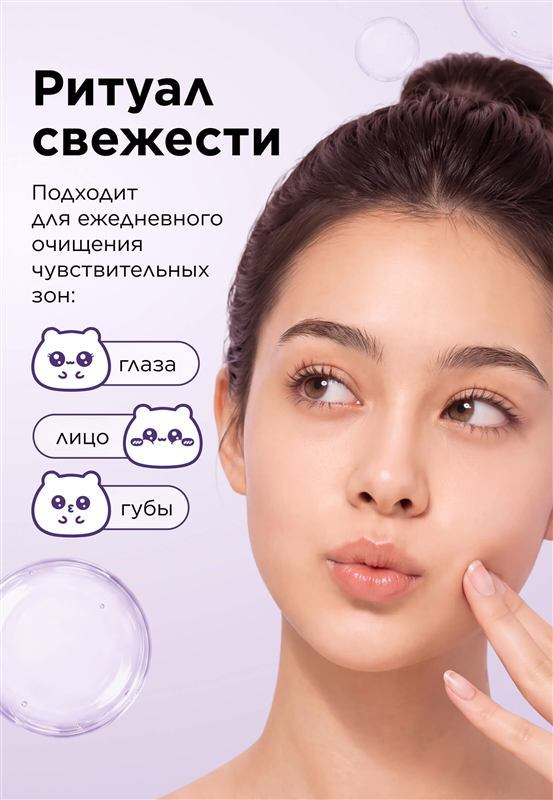
- Eye makeup specifically, where gels are too harsh
The rinsing question
Opinion divides here, and the honest answer depends on your skin.
Micelles that lift makeup are still on your face after the pad comes away.
Oily and combination skin: follow with a rinse-off cleanser. That removes both the makeup and the residue.
Very dry or reactive skin: leaving it on is usually fine, and the reduced washing is part of the benefit.
If your skin feels slightly filmy, or you break out along the jaw after a few weeks of no-rinse use, that is your answer — start rinsing.
Using it well
- Saturate the pad and hold it still for a few seconds. Micelles need contact time, not friction
- One pad per area. Reusing a dirty pad moves makeup around
- Do not scrub, particularly around the eyes, where rubbing pulls out lashes over time
- For waterproof mascara, hold against closed lashes for fifteen seconds before wiping — micellar water alone often struggles, and an oil-based remover may be needed
What it is not
A substitute for cleansing on days you wore heavy makeup or sunscreen. One pass rarely removes those.
The full composition is in the Faberlic catalogue. For the two-step routine, see the skincare section.