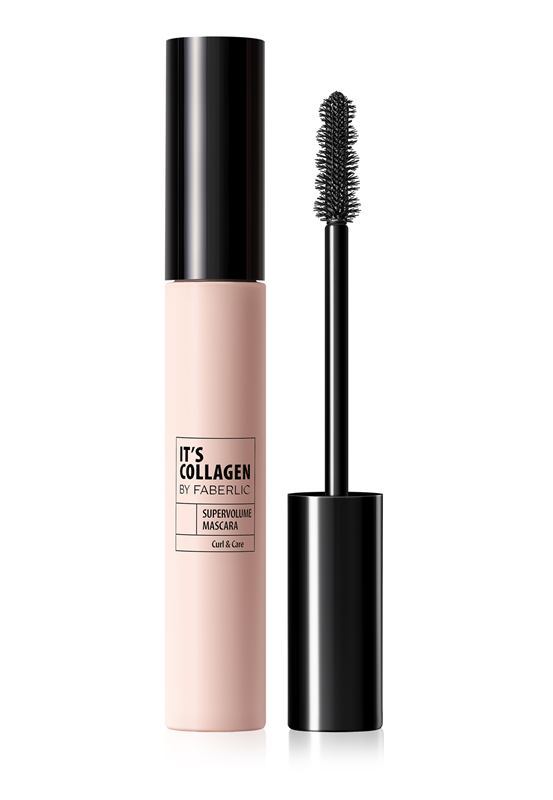
Collagen appears across cosmetics, and it is one of the most misunderstood ingredients on any label. Worth explaining plainly.
What collagen does in a topical product
As a moisturiser and film-former. Collagen is a large protein. Applied to hair, lashes or skin it sits on the surface, holds water, and forms a smoothing film. On lashes that means a slightly thicker-feeling coating and less brittleness.
That is a genuine effect, and it is entirely superficial.
What it does not do: replace or stimulate your own collagen. The molecule is far too large to penetrate skin, and lashes are dead protein with no mechanism to incorporate anything.
This is true of collagen in any topical product from any brand — it is chemistry rather than a criticism of this one.
So what should you expect
- Lashes that feel softer and less brittle
- A slightly fuller coating
- Comfort rather than transformation
Not: stronger lashes in a structural sense, or lash growth.
The volume claim
"Multi-level volume" describes the brush and formula working to coat lashes at different depths. In practice, apply with a wiggle at the roots — density at the base is what produces the impression of fullness — then draw upward.
Two thin coats while the first is still damp. Comb through with a clean spoolie.
What genuinely improves lash condition
None of it is in a tube:
- Gentle removal. Hold a saturated pad against closed lashes, then wipe downward. Never scrub — this is when lashes are lost
- Curl before mascara, never after
- Never sleep in it
- Replace every three months
- Keep waterproof for occasions, since the removal is what costs lashes
If lashes are genuinely thinning
A change in lash density can have medical causes, including thyroid conditions and some medications. That is a doctor's question rather than a product one.
The full composition is in the Faberlic catalogue. For the range, see the mascara guide.