


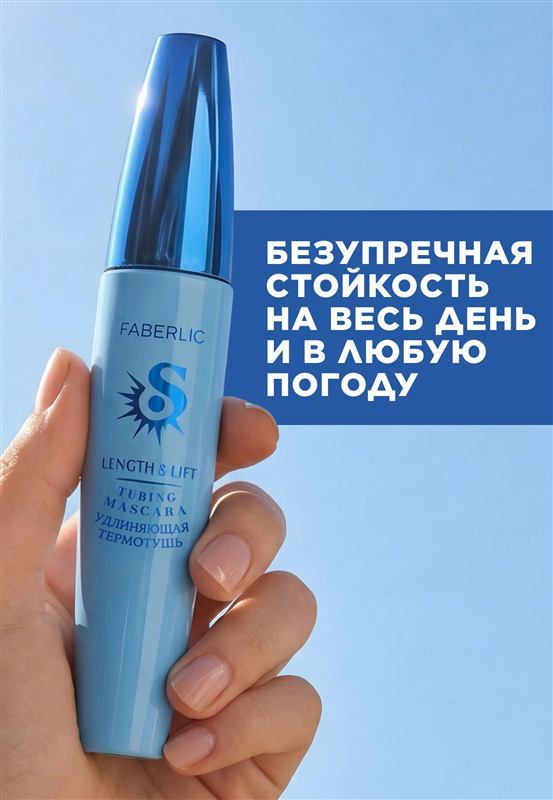
The brush does at least as much as the formula, and unlike the formula you can see it. Learning to read a wand tells you what a mascara will actually do.
What the brush shape means
Large and fluffy, densely bristled → volume. Holds a lot of product and deposits it thickly.
Thin, with fine or comb-like bristles → length and separation. Coats each lash evenly without bulk.
Curved → curl and lift. Pushes lashes upward as you draw through.
Small → lower lashes, inner corners, and short lashes generally.
Silicone or moulded plastic → separation, less clumping, but less product deposited than natural bristles.
A lengthening mascara like this one uses the thinner, finer type — which is why loading the brush heavily defeats it.
Reading a mascara before buying
If you can see the wand, you can predict most of the result. A fluffy brush will not produce a fine separated look, and a fine comb will not build volume, whatever the packaging says.
Where the claim and the brush disagree, trust the brush.
Using a fine brush well
- Wipe the excess on the neck of the tube. Excess product on a fine brush produces exactly the clumping the brush design avoids
- Roots outward in one smooth movement
- A slight upward flick at the tips, where the length effect lives
- Comb through with the tip to separate
- Second coat while the first is still slightly damp — lengthening formulas dry fast
The thermo element
The texture softens with the warmth of your lashes, helping it wrap the lash. Practically: work promptly and do not go back over a set coat.
Care
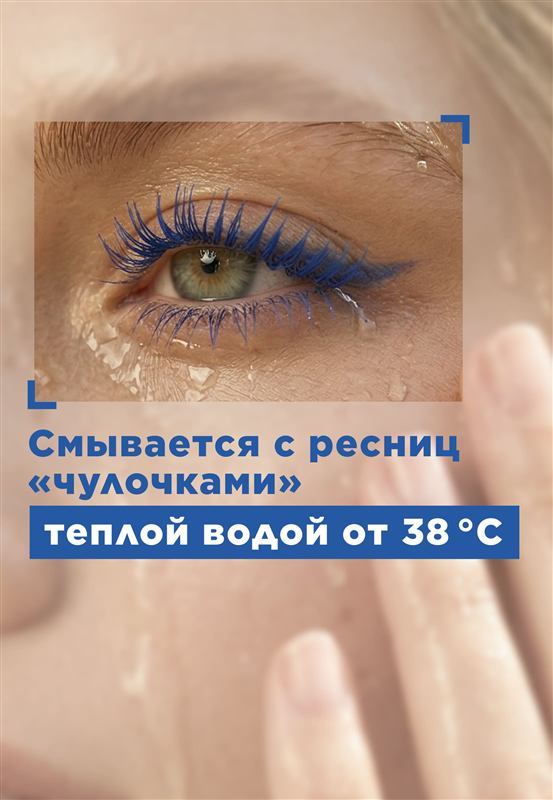
Curl before, never after. Replace every three months. Never pump the wand — twist it. Remove by holding a saturated pad against closed lashes, then wiping downward.
The full composition is in the Faberlic catalogue. For choosing an effect, see the mascara guide.