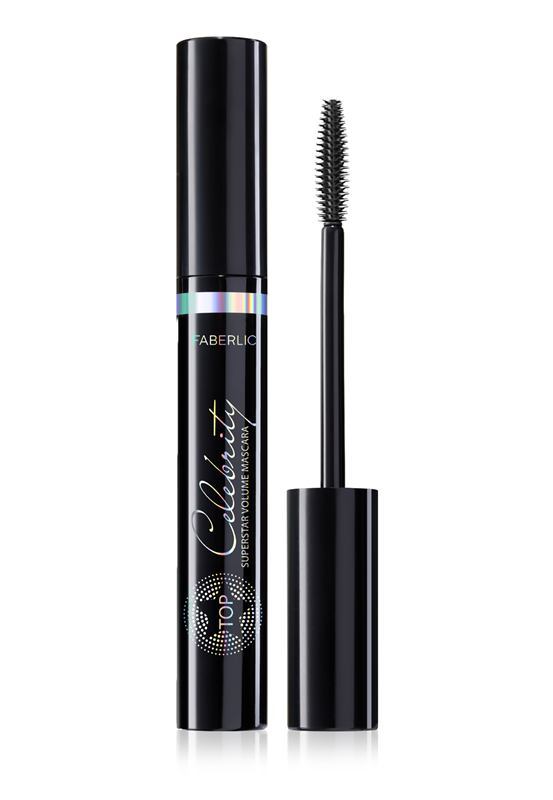
Volume mascaras clump more readily than lengthening ones — the dense formula and full brush that create volume are also what bridge lashes together. Almost all of it is technique, and it is fixable.
The four causes
1. Too much product on the brush. The most common. Wipe the wand on the neck of the tube before applying — there is far more on it than you need, and the excess is what bridges lashes.
2. Pumping the wand. Pushing it in and out forces air into the tube, air dries the formula, and dried formula clumps. It is also why a mascara that worked in March is unusable by June. Twist instead.
3. Second coat applied too late. Layering over a dried coat drags the dry product into lumps. Apply the second while the first is still slightly damp — within a minute.
4. The tube is finished. After about three months the formula thickens and no technique compensates. Adding water does not revive it; it introduces bacteria next to your eye and worsens the texture.
Building volume properly
- Curl first, on clean dry lashes
- Start at the roots and wiggle slightly as you draw upward. The density at the base is what creates fullness — this is where volume actually comes from
- Two thin coats, not one thick one. Two light coats look fuller and clump less
- Comb through with a clean spoolie or dry wand immediately after applying, which separates almost anything
- Lower lashes lightly, or skip them — full volume top and bottom closes the eye
The most useful tool
A clean dry spoolie. Run it through immediately after each coat and clumping largely stops being a problem. It costs very little and does more than switching mascara.
Who volume suits
Sparse or fine lashes, and evening looks. If your lashes are already dense, a lengthening formula will look better — volume on thick lashes reads as heavy.
Removal
Hold a saturated pad against closed lashes for a few seconds, then wipe downward. Rubbing thins lashes over time.
The full composition is in the Faberlic catalogue. For technique, see the makeup section.