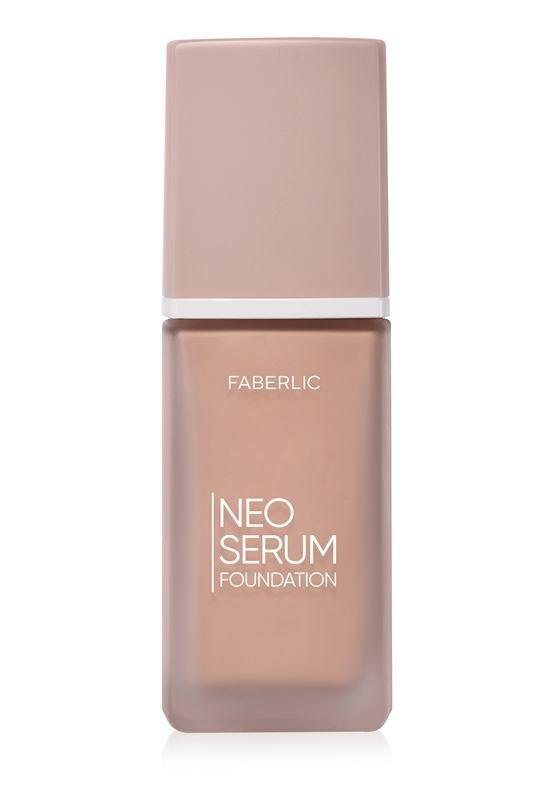
A serum foundation is the sheerest end of the base category — closer to a tinted skincare product than to traditional foundation. It suits more people than they expect.
The case for less coverage
The instinct when skin is uneven is more coverage. It usually backfires:
Full coverage everywhere looks like makeup. Sheer coverage plus targeted concealing looks like good skin. The second is what most people actually want.
Heavy base emphasises texture. It collects in fine lines, around the nose, and on any dry patch. A sheer base sits lighter and moves with the face.
It photographs worse, particularly under flash, where a heavy base can look flat or grey.
It is more work. Full coverage needs setting, touching up, and careful blending at every edge.
The better approach
Sheer base everywhere, concealer where it matters.
Two or three spots, the under-eye area, perhaps some redness around the nose. Everything else stays as it is, and the result reads as skin rather than as a finish.
Base first, then concealer on top — the other order wipes it off.
Who a serum foundation suits
- Skin in reasonable condition
- Anyone who dislikes the feeling of makeup
- Warm weather
- Everyday wear, where comfort matters more than coverage
- Dry and normal skin especially
Who wants something else
Anyone with pigmentation or strong redness they genuinely want hidden. A serum foundation will not do it, and layering it produces thickness rather than coverage.
Applying it
Moisturiser and sunscreen absorbed first. A small amount, centre outward, with fingers — warmth helps a fluid texture disappear into skin. A damp sponge if you want it sheerer still.
Powder only the T-zone, if at all.
Shade
Sheer formulas are the most forgiving to shade-match, since they adapt to the skin beneath. Still check against your jaw in daylight.
The current shade range is in the Faberlic catalogue. For the category, see the foundation guide.