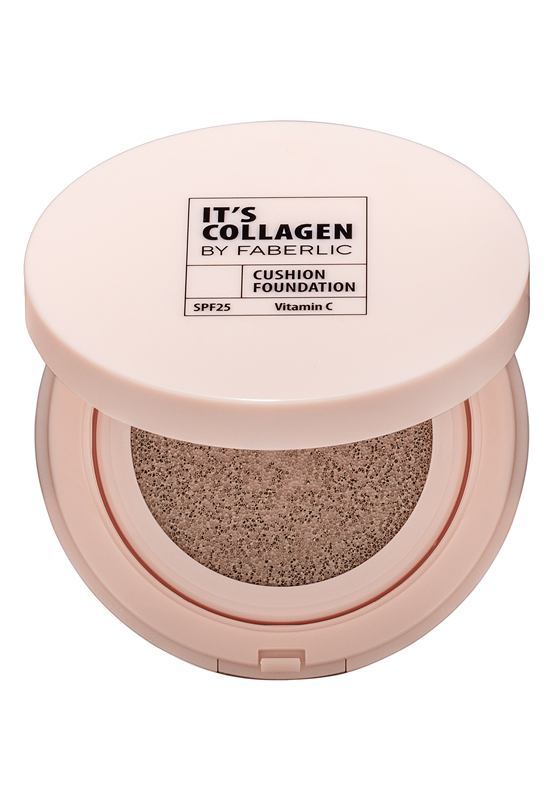
A serum-cushion is a hybrid: a light-coverage base with a fluid, skincare-like texture. Hybrids are popular and worth evaluating honestly.
What hybrids actually deliver
Genuinely: a lighter, more comfortable texture, better hydration through the day than a traditional foundation, and a finish that reads as skin rather than makeup.
Less so: the skincare benefits. A base worn for eight hours and then removed does not do what a moisturiser applied to bare skin and left on does. The skincare ingredients in a makeup product are a bonus, not a substitute for the step.
So the honest framing: a nicer-feeling base, not a treatment you can wear.
Choosing your tool
The applicator changes the result more than most people expect:
The supplied puff — press and pat. Gives the most natural, thinnest finish and is what the format is designed around.
A damp sponge — even lighter, more diffused. Best for very sheer coverage.
Fingers — warmth helps a fluid texture melt in. Fast, and good for a light everyday application.
A brush — most coverage, least natural. Generally the wrong tool for a serum texture.
For a serum-cushion, the puff or fingers. A brush works against the texture.
Applying it
- Moisturiser and sunscreen absorbed first. Give them a minute or two
- Press and pat, never swipe. Swiping streaks a fluid formula
- Centre of the face outward, building only where needed
- Concealer over the top for anything specific
- Powder sparingly, T-zone only, or it defeats the finish
Hygiene
The puff touches your face then returns to the product. Wash it weekly with mild soap, dry it fully, replace it when it stops looking clean, and keep the compact closed.
On the collagen
Topical collagen works as a surface moisturiser and film-former. It does not replace or stimulate your own — the molecule is too large to penetrate. True of any brand's collagen product.
The current shade range is in the Faberlic catalogue. For the category, see the foundation guide.