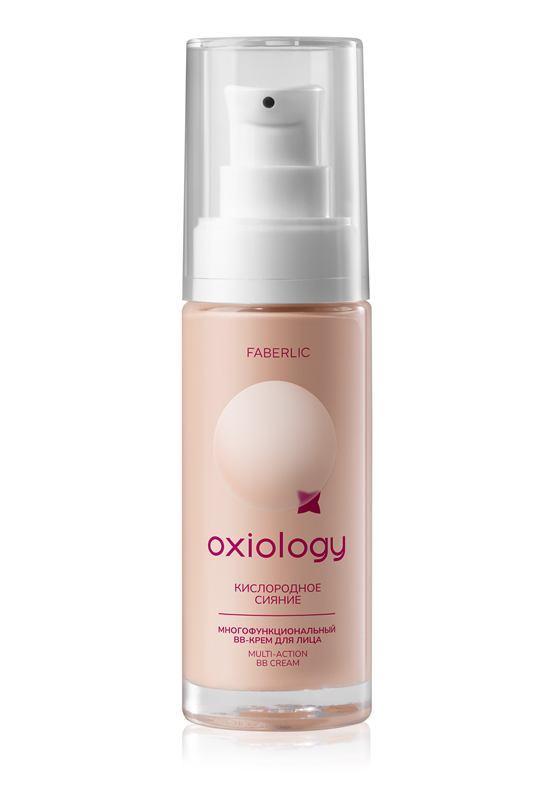
A radiance or luminous base contains light-reflecting particles that make skin look lit from within rather than flat. It flatters some skin considerably and works against other skin — the difference is worth knowing before buying.
Who it flatters
- Dry and normal skin, where matte finishes cling to dry patches and look dull
- Mature skin, which generally looks better with light reflection than with a flat matte finish
- Anyone whose skin looks tired or dull — radiance addresses exactly that
- Evening and photographs, where flat bases can look heavy
Who should be careful
Oily skin. A luminous base plus natural shine reads as greasy rather than glowing by mid-morning. If you want radiance on oily skin, apply it only to the high points — cheekbones, bridge of the nose — and use a mattifying base elsewhere.
Very textured skin. Light-reflecting particles catch on texture and can emphasise it. Concentrating them away from the areas with visible texture solves most of this.
Applying it
- Moisturiser fully absorbed first
- A small amount, centre of the face outward. Radiance bases look best thin — applied heavily they look wet rather than luminous
- Fingers, whose warmth helps the texture melt in
- Do not set the whole face with powder. That removes the reason you bought it. T-zone only, if at all
Placement over coverage
The most useful trick with a luminous base: apply it where you want light — centre of the face, cheekbones, under the brow — and keep it thinner around the edges. That mimics how light naturally falls and looks more convincing than an even layer.
BB cream expectations
It evens out and blurs rather than covering. For redness or marks, add concealer on top rather than more base.
Shade
Semi-sheer, so more forgiving than a foundation. Still check against your jaw and neck in daylight.
The current shade range is in the Faberlic catalogue. For base technique, see the makeup section.