
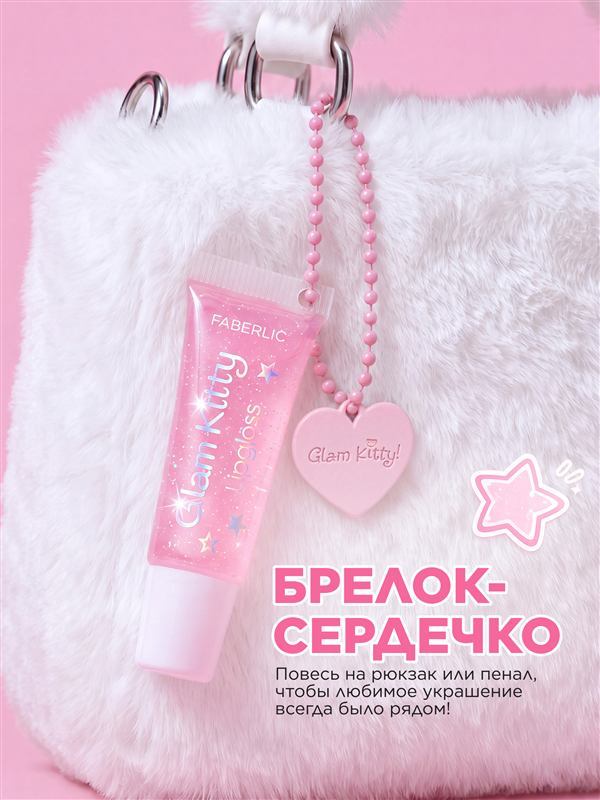
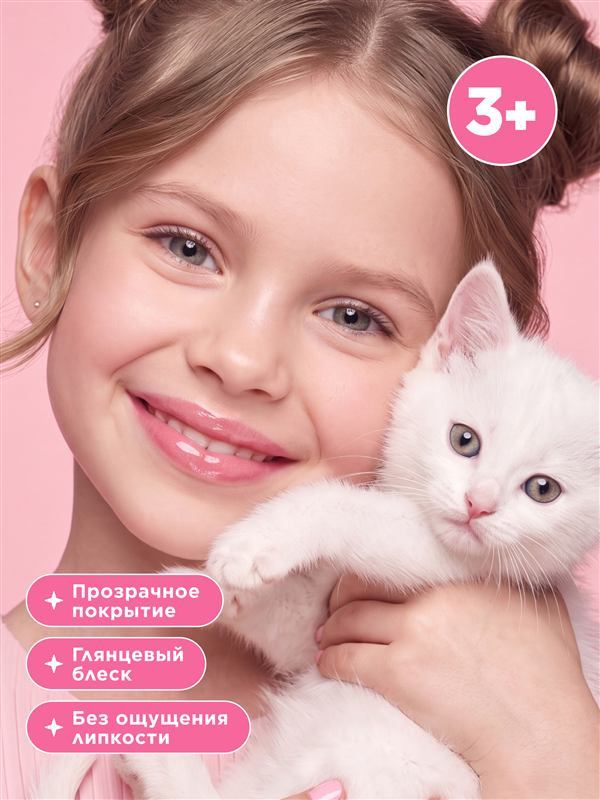
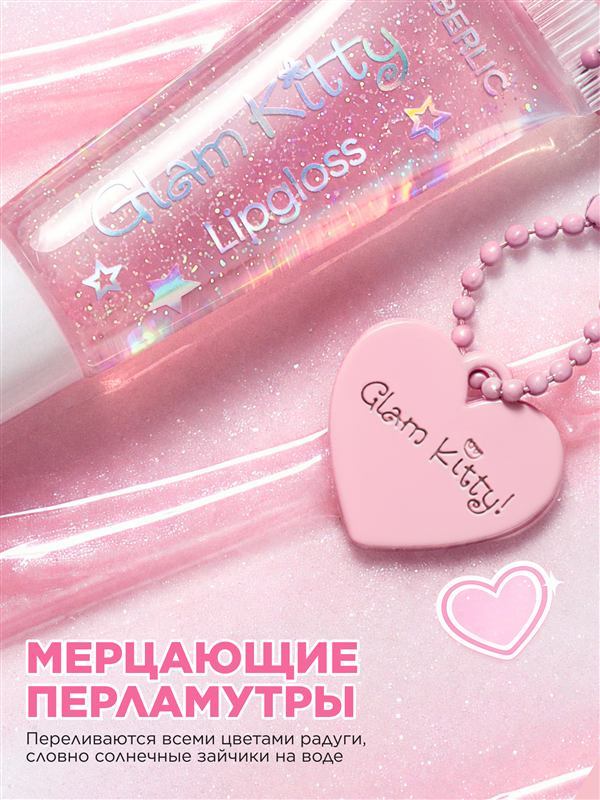
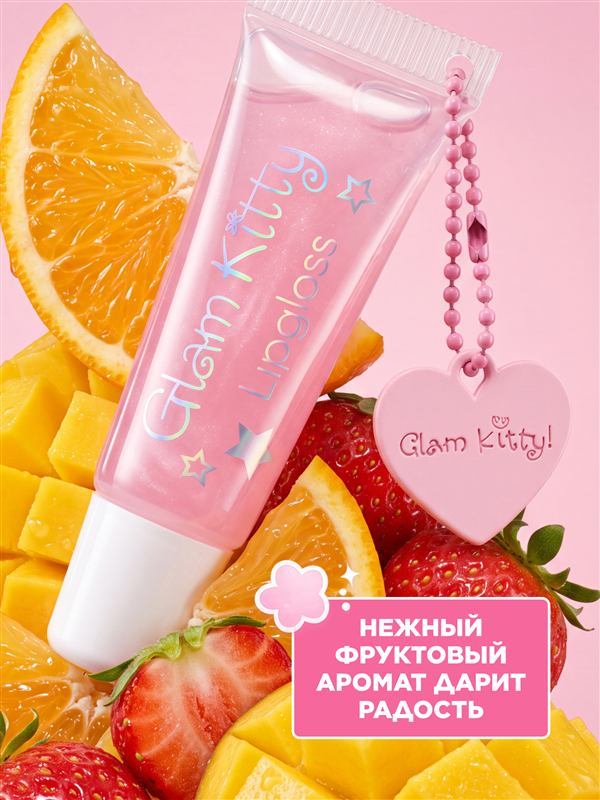
A light shimmer gloss made for children. Play makeup is a normal part of childhood, and there are a few practical things worth knowing.
Lip products get eaten
Not deliberately — but anything on the lips ends up partly swallowed, and children apply and reapply far more than adults do.
Which means:
- Use products formulated for children, where this is accounted for in the formulation
- Respect the age range on the packaging
- Supervise application rather than leaving the tube available. A child with unlimited access will use the whole thing
- Store it out of reach between uses
This is not alarming, it is just the reason children's lip products exist as a separate category rather than being scaled-down adult ones.
Before first use
Patch test on the inner forearm if your child has ever reacted to a cosmetic product, or has eczema or known allergies. A day or two is enough to tell.
Not on chapped or broken lips — any product on damaged skin is more likely to sting and more likely to be absorbed.
Practical notes
- Balm underneath if lips are dry. Gloss over flaking lips emphasises them
- A small amount. Children apply generously by default
- Wipe it off before bed, gently, with a damp cloth or a little cleansing milk
- Do not share between children, particularly during any illness
Glitter and shimmer
Shimmer particles in a children's product are formulated for the purpose. Adult glitter products, craft glitter and anything not intended for the face should never go near lips or eyes — this is a genuine cause of eye injuries.
If a reaction occurs
Stop using it, wipe the lips with plain water, and see a doctor for swelling, spreading redness, or any difficulty breathing.
The broader point
Children's cosmetics are for play, and treating them that way — supervised, occasional, washed off — is the sensible approach. Composition and age guidance are in the Faberlic catalogue and on the packaging.
For the range, see the children's care guide.