


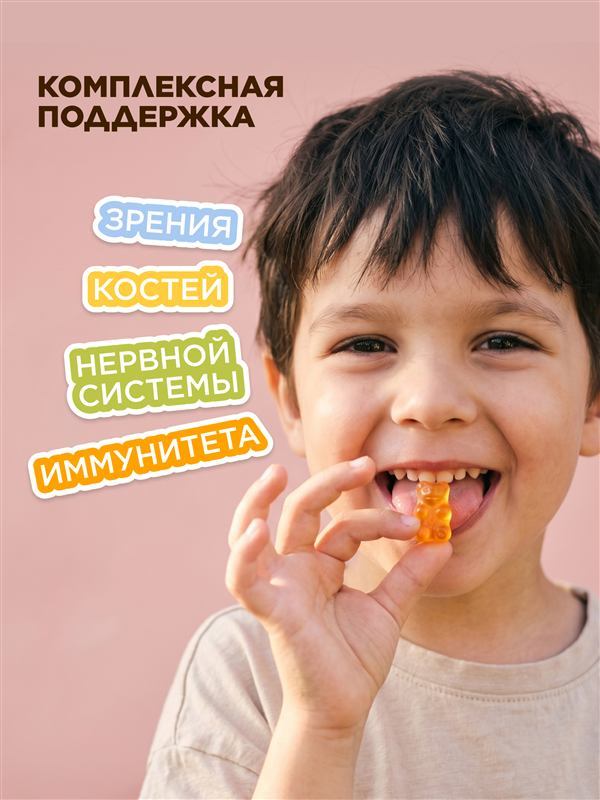
A multivitamin food supplement in a jelly format for children. The useful question is not which one to buy but whether one is needed.
Does a child need a multivitamin?
For most children eating a reasonably varied diet, the honest answer is usually no.
Paediatric guidance in most countries does not recommend routine multivitamin supplementation for healthy children with normal diets. Where supplements are recommended, it tends to be specific rather than general — vitamin D in low-sunlight regions being the common example, and that is a single-nutrient recommendation rather than a multivitamin one.
Situations where a doctor might advise supplementation:
- A genuinely restricted diet — very selective eating, or an exclusion diet
- Vegetarian or vegan diets, for specific nutrients
- Certain medical conditions affecting absorption
- A diagnosed deficiency
Notice these are all cases where a doctor is already involved. That is the point.
Why not just give one anyway?
Because more is not neutral:
- Fat-soluble vitamins accumulate. Children reach harmful levels at far lower doses than adults
- Fortified foods aimed at children mean the baseline intake is often already higher than parents realise
- A supplement can mask a problem worth investigating. Persistent fatigue or poor growth deserve a diagnosis, not a jelly
The format risk
Sweet, chewable supplements are treated as sweets by children. Store them out of reach and out of sight, give the dose yourself, and never call them sweets. Accidental overdose in this format is a recognised and preventable problem.
If a child takes several, contact a doctor or poison service.
What it is
A food product intended to add to the diet. Not a medicine. It does not treat, prevent or cure illness.
If you use it
Follow the dosage exactly, check the age range, and tell your doctor.
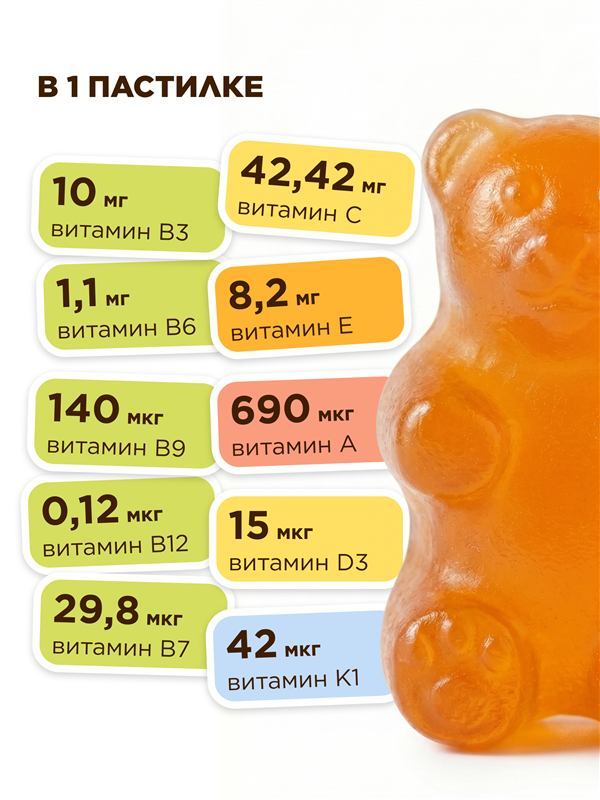
Composition and dosage are in the Faberlic catalogue and on the packaging.
Food supplement. Not a medicine.