

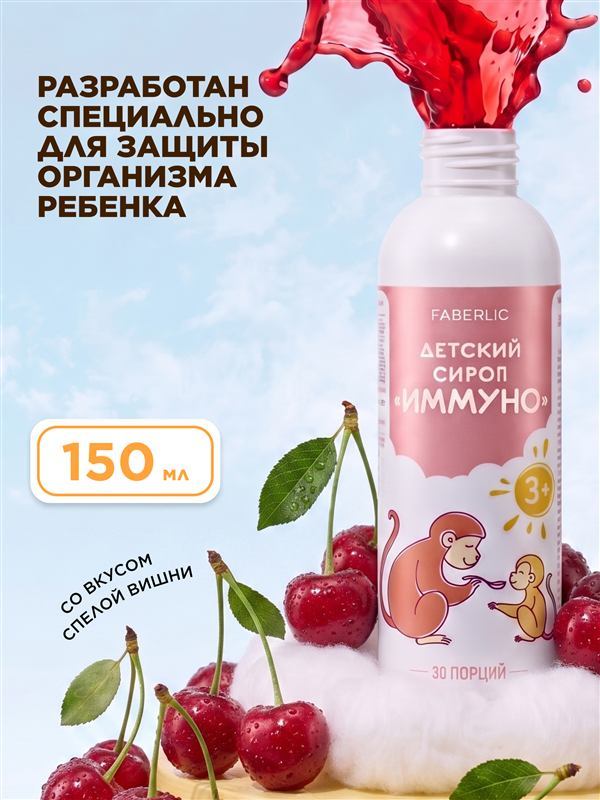


This is a food supplement in a syrup format, intended for children. Before anything else, the framing that matters.
What a food supplement is
A supplement is a food product intended to add to the diet. It is not a medicine, it is not tested or approved as one, and it does not treat, prevent or cure any illness.
That distinction is regulatory and it is also practical: a supplement cannot make a claim to affect a disease, and any source telling you otherwise is misrepresenting it.
Talk to a paediatrician first
This matters more for children than for adults, and it is not a formality:
- Children's requirements differ by age and weight, and are much narrower than adults'
- Some vitamins accumulate. Fat-soluble vitamins in particular can build up to harmful levels, and children reach that threshold at far lower doses
- Supplements can interact with medication
- Doubling up is easy — many foods aimed at children are already fortified, and adding a supplement on top can exceed safe intakes without anyone intending it
- A deficiency should be diagnosed, not guessed at. If you suspect one, a blood test answers it
A paediatrician can tell you whether your child needs anything at all, which is frequently the answer.
What supplements do not replace
A varied diet, which is where children get nutrients in the amounts and combinations their bodies handle best.
Medical care. Frequent illness, poor growth, persistent fatigue or appetite problems are reasons to see a doctor, not reasons to buy a supplement.
If you do use it
- Follow the stated dosage exactly. More is not better and can be harmful
- Check the age range on the packaging
- Keep it out of reach. Pleasant-tasting supplements are a common cause of accidental overdose in young children
- Tell your doctor you are giving it, particularly before any medical appointment
The full composition, dosage and age guidance are in the Faberlic catalogue and on the packaging — those, not this page, are the authoritative source.
Food supplement. Not a medicine.