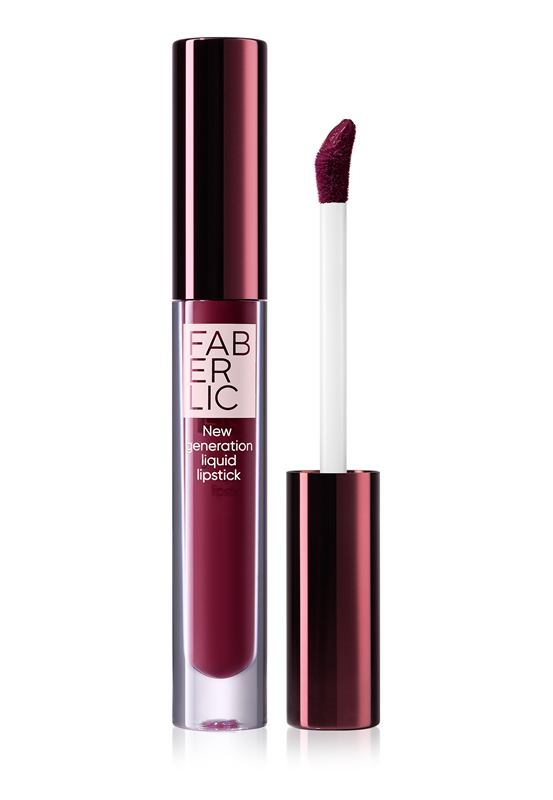

Liquid mattes are the most committed thing on the lip shelf: the longest wear available, in exchange for preparation, patience while it sets, and a proper removal.
The trade, stated plainly
You get: wear measured in hours rather than a meal, no transfer onto cups or collars, and a finish that photographs well.
You give: comfort, the ability to touch up, and forgiveness of dry lips.
Worth it for long days and events. Not worth it for a Tuesday if your lips are dry.
Preparation
A liquid matte sets into a film, and anything underneath stays visible:
- Exfoliate gently the night before
- Balm, and leave it ten minutes
- Blot the balm off completely. Residual balm is the main cause of a liquid matte sliding or wearing patchily
Applying it
- Start at the centre of the upper lip, work outward with the applicator following your natural line
- Lower lip in two strokes from the centre out
- Thin and even. A heavy layer takes far longer to set and creases
- Leave it alone while it sets. Pressing your lips together mid-set is what causes uneven patches
- Clean the edges with a cotton bud before it dries fully. After that it will not move
Living with it
Once set it stays. Reapplication over a partly worn layer looks uneven — remove and redo rather than layering.
It will emphasise dryness through the day. A balm over the top late on softens the finish, which is a reasonable compromise.
Removing it properly
This is where lips get damaged. Rubbing at a set liquid matte is abrasive and leaves lips raw.
- An oil-based or bi-phase remover, or a cleansing balm. Ordinary micellar water usually struggles
- Hold a saturated pad against the lips for fifteen to twenty seconds to dissolve the film
- Wipe gently. Repeat with a fresh pad rather than pressing harder
- Balm afterwards, always
If you are scrubbing, you have not waited long enough.
The current shade range is in the Faberlic catalogue. For finishes, see the lipstick guide.