Lips dry out faster than the rest of the face, and the reason explains what a hydrating lipstick can and cannot fix.
Why lips dry out
Lip skin has no oil glands. None. It cannot produce its own protective film the way the rest of your face does.
It is much thinner than facial skin, so water escapes faster.
It is constantly exposed to weather, food, drink and licking — and licking is the biggest self-inflicted cause, since saliva evaporates and takes moisture with it.
It gets no sun protection, which is why lips age visibly and why lip sunscreen exists.
What a hydrating lipstick does
Supplies moisture and, more importantly, a barrier that slows its loss. That is genuinely useful on skin with no oil glands of its own.
What it does not do: repair chapped lips, which needs balm and time, or substitute for the habits below.
The habits that matter more
- Stop licking your lips. The single biggest cause of chronic chapping
- Balm at night, when there is nothing to eat or drink it off
- Exfoliate gently once a week, not more — over-scrubbing lips is common and counter-productive
- Drink enough water
- A humidifier in winter, since heated air affects lips first
- Lip product with SPF in strong sun
Applying it
On lips that are not currently chapped. If they are flaking, spend a few days on balm first — any colour applied over flakes emphasises them.
A hydrating formula is forgiving: apply from the tube, blot lightly if you want less shine, reapply through the day as needed. It will not last like a matte, which is the trade for comfort.
Who it suits
Anyone with dry lips, cold-weather wear, daily use, and people who find matte formulas uncomfortable. It is the everyday option rather than the long-wear one.
When lips are cracked rather than dry
Persistent cracking, especially at the corners, can be a medical matter rather than a cosmetic one. Worth asking a doctor if balm does not resolve it within a couple of weeks.
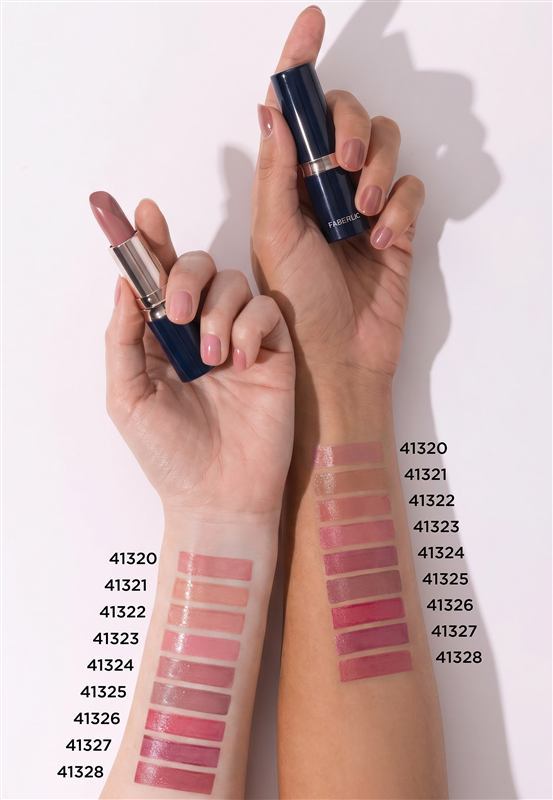
The current shade range is in the Faberlic catalogue. For finishes, see the lipstick guide.