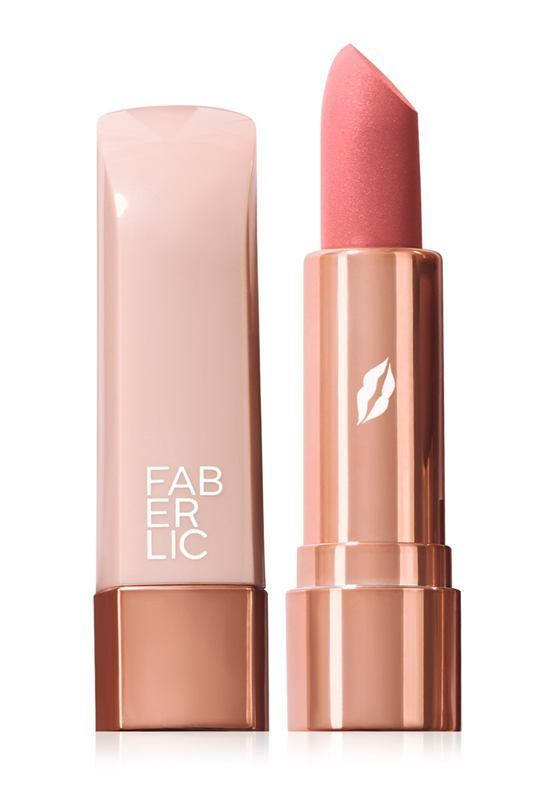
Nude is the hardest shade family to buy and the most useful once you get it right — a nude that suits you is the lipstick you will finish the tube of.
Why most nudes fail
Nude is not a colour, it is a relationship. It means something close to your own lip tone, and lip tones differ enormously. A nude that looks beautiful on someone else can make you look washed out, or ill, or as though you have no lips at all.
Two specific failure modes:
Too light — the "concealer lips" effect. The most common error, and it happens when a nude is lighter than your natural lip rather than close to it.
Wrong undertone — a cool nude on warm colouring reads grey; a warm nude on cool colouring reads orange.
Choosing one
Start from your own lip colour, not from the shade name. Aim within one or two shades of it — slightly deeper is usually more flattering than slightly lighter.
Match undertone to your colouring:
- Cool (silver jewellery suits you better) → nudes with a pink or mauve base
- Warm (gold suits you better) → nudes with a peach, caramel or beige base
- Deeper skin → nudes need to be considerably deeper than the pale beige usually marketed as nude, often in caramel, brown or plum-nude territory
Test on your lips, not your hand — hand skin is a different colour entirely.
The powder finish
A powder or soft-matte finish sits between a full matte and a satin: flatter than a cream, more comfortable than a true matte, and it reads as understated rather than done.
That suits nudes particularly, since the point of a nude is usually to look natural.
Applying it
Balm first, blotted. A lip pencil in a matching shade if you want definition — nudes benefit from a defined edge more than bright shades do, since there is less colour contrast to create the outline.
Thin layer, blot, second thin layer for longer wear.
The current shade range is in the Faberlic catalogue. For shade selection, see the lipstick guide.