



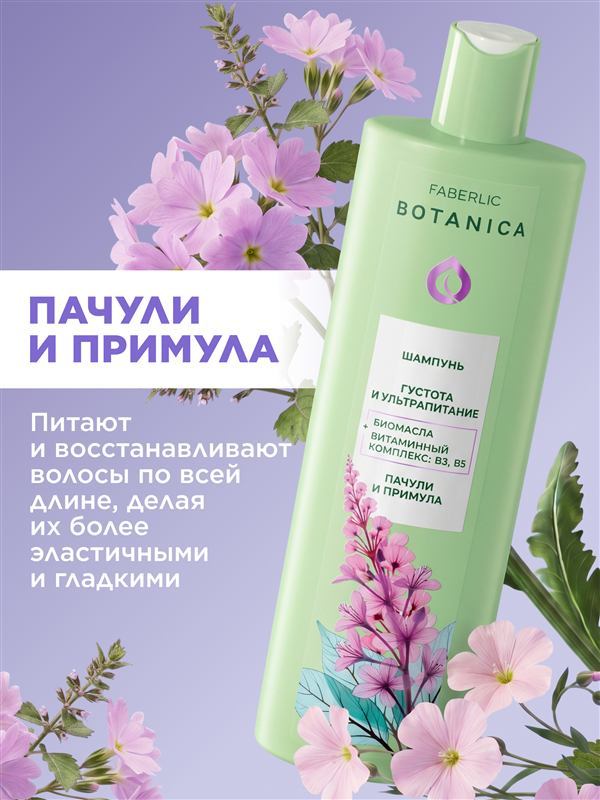
"Density" products need a distinction made first, because two very different situations get treated as the same problem.
Fine hair versus thinning hair
Fine hair — a smaller strand diameter. Structural, genetic, and normal. You may have a great deal of it. The issue is that it flattens easily.
Thinning hair — fewer strands than you had. A change, and one with a cause.
Products help the first considerably and the second not at all.
How to tell: has anything changed? If your hair has always been fine, it is fine. If your parting is wider than it was, your ponytail is visibly thinner, or you are shedding more, that is thinning and it is a different question.
What a density shampoo does for fine hair
It works by subtraction, not addition:
- Cleans the scalp thoroughly, since oil at the roots is what flattens hair
- Leaves minimal residue, so nothing coats the strand
- Sometimes adds lightweight polymers for slight grip and texture
The result is hair that feels a little less silky and looks fuller. That trade is the mechanism.
The habit that matters more
Nothing rich near the roots. Not conditioner, not mask, not oil, not leave-in. Fine hair collapses under any of them, and this single rule does more for apparent density than any shampoo.
Also: rough-dry, then dry the roots with your head tipped forward. That does more than the product.
The tension in this product
A shampoo positioned as both density and nourishment is balancing two opposing aims — one wants minimal residue, the other adds conditioning. If your hair is fine and damaged, that combination makes sense. If it is fine and healthy, a pure volume formula will give more lift.
If it is thinning rather than fine
See a doctor. Iron deficiency, thyroid conditions, hormonal change and some medications all cause it, all are testable, and early treatment works far better than late.
The full composition is in the Faberlic catalogue. For volume technique, see the haircare section.