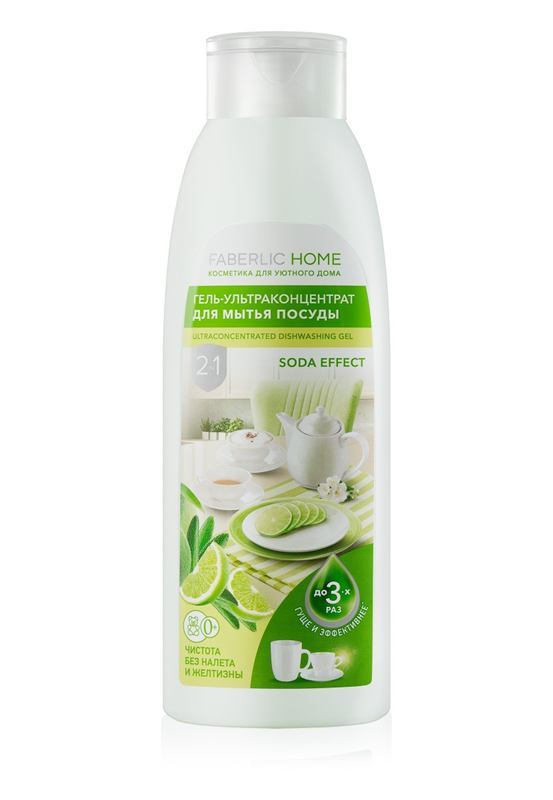


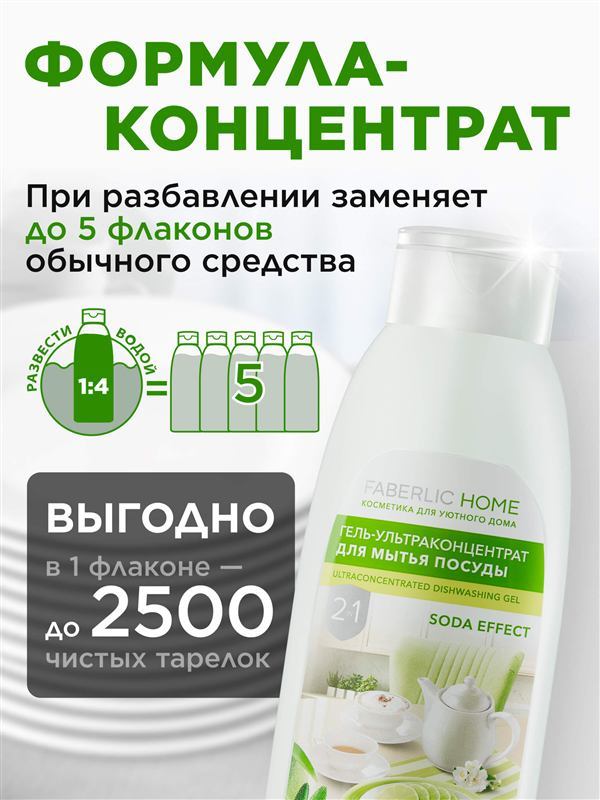
Concentrated products cost more per bottle and less per wash. That only holds if you use them as concentrates, which is where most of the saving is lost.
The dilution mistake
People transfer habits from a standard product: a generous squeeze straight onto the sponge.
With an ultra-concentrate that is several times more product than needed. It does not clean better — the excess simply rinses away — and it means the "expensive" bottle runs out as fast as a cheap one, which is how people conclude concentrates are not worth it.
Use a fraction of what you are used to. A few drops for a sink of water, or a small amount on a wet sponge. Add more only if the water stops foaming, which is the real indicator that the detergent is exhausted.
Why concentrates are worth it
- Cheaper per wash when used correctly
- Less packaging for the same number of washes
- Less cupboard space
- Less weight to carry home
Washing up efficiently
Order matters more than product:
- Glasses first, in the cleanest water
- Cutlery
- Plates and bowls
- Pans and greasy items last — they contaminate the water
Soak burnt or baked-on items in hot water with a little gel rather than scrubbing. Twenty minutes of soaking beats ten minutes of effort.
Change the water when it stops foaming or goes greasy.
Hands
Washing-up liquid is designed to dissolve grease, including the oils in your skin. Repeated washing up without gloves is one of the most common causes of dry, cracked hands.
Gloves for anything longer than a few items, and hand cream afterwards.
Storage and safety
Original labelled container, out of children's reach. Never decant into a drinks bottle — a recurring cause of accidental poisoning.
Never mix with other cleaning products.
The full instructions are in the Faberlic catalogue. For the range, see the home care guide.