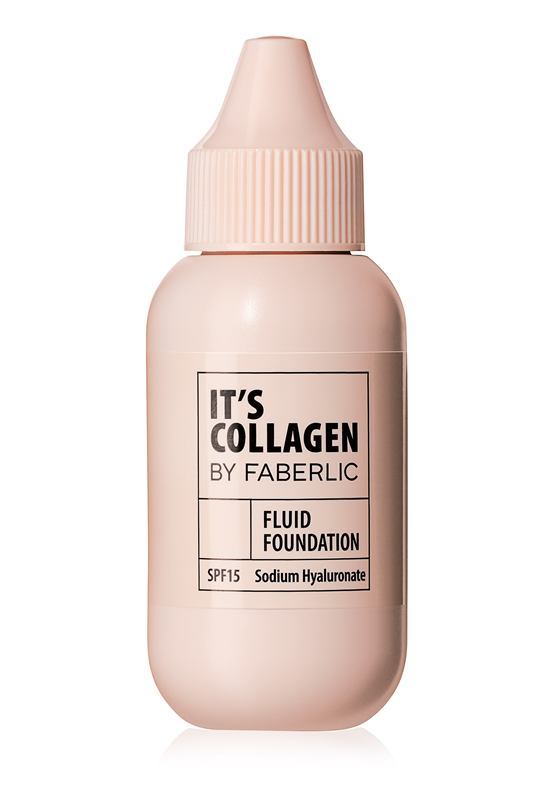
A fluid is the lightest liquid foundation texture — thinner than a cream, heavier than a tint. Texture is the variable people underweight when buying base makeup, and it decides comfort more than coverage does.
Texture versus coverage
These are separate axes, and conflating them causes most bad purchases:
Coverage is how much it hides. Sheer, light, medium, full.
Texture is how it feels and behaves. Fluid, cream, mousse, powder.
You can have a light-coverage cream or a full-coverage fluid. Choosing by coverage alone and ignoring texture is how people end up with a base that hides everything and feels unbearable by lunchtime.
Who a hydrating fluid suits
- Normal to dry skin, where matte textures cling to dry patches
- Anyone who finds most foundation heavy
- Daily wear, where comfort over eight hours matters more than maximum coverage
- Mature skin, where fluid textures settle into fine lines less than heavier ones
Who should look elsewhere
Very oily skin may find a hydrating fluid slides by midday. A matte long-wear formula is built for that.
Anyone needing strong coverage — a fluid is light to medium by nature and building it produces thickness, not coverage.
Applying it
- Moisturiser fully absorbed first, or the base slides. Give it a minute
- A small amount, centre of the face outward. Most people apply about twice what they need
- Fingers work well — warmth helps a fluid melt into skin. A damp sponge gives a lighter finish
- Set only where you shine, usually the T-zone
- Blend past the jawline and check in daylight
Adding coverage without changing the base
Concealer on the two or three things that actually need it, applied after the foundation. This looks far more natural than full coverage everywhere and is faster.
Shade
Match against your jaw and neck in daylight, not the back of your hand. Between two shades take the lighter one.
The current shade range is in the Faberlic catalogue. For shade matching, see the foundation guide.