
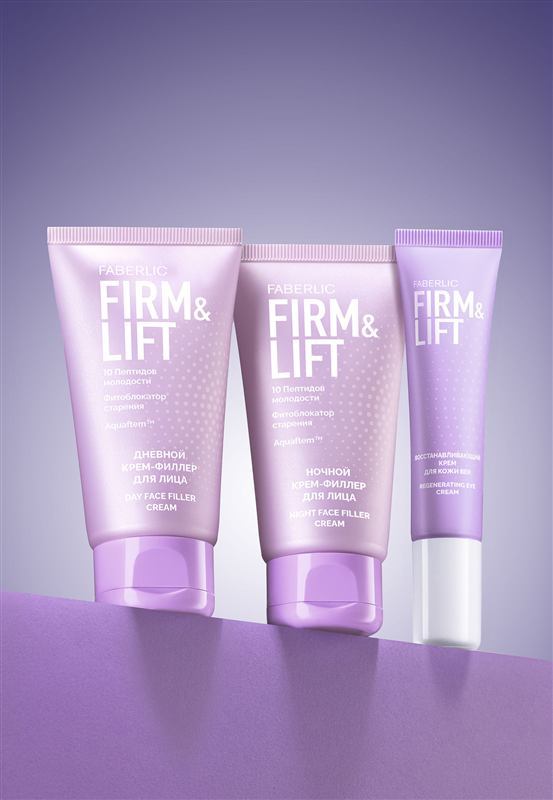
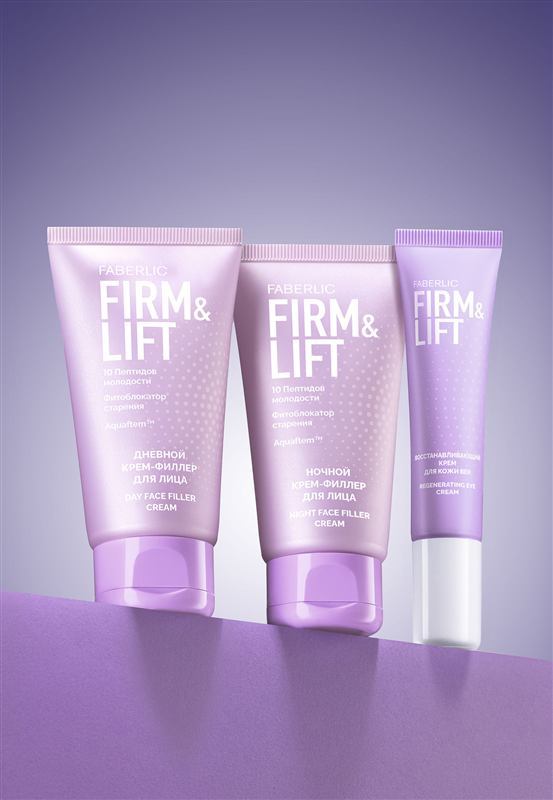
The word "filler" on a cream needs a straight explanation, because it borrows a term from a medical procedure that does something entirely different.
Cosmetic filler versus injectable filler
Injectable fillers are placed into the dermis by a practitioner and add physical volume. They change facial structure and last months.
A filler-effect cream works on the surface: hydration that plumps the upper layers so fine lines look shallower, and light-diffusing ingredients that soften how lines catch the light.
The effect is real and visible. It is also temporary, superficial, and ends when you stop using the product.
Nothing applied to the skin surface reaches the depth where injectable fillers work. Any product implying otherwise is trading on the confusion.
What to realistically expect
- Fine lines looking less pronounced, particularly the ones caused by dehydration
- Smoother texture
- Better makeup application
- Nothing on deep folds, volume loss or skin laxity
Fine dehydration lines respond well to hydration — often within days. Established lines do not.
Using it
- Slightly damp skin, within a minute of cleansing. Hydration-led products depend on this more than most
- A small amount, pressed in rather than dragged
- The neck too
- Sun protection over the top. This matters more than the cream itself for how lines develop
Judging it
Give it three to four weeks and judge on texture and comfort. If you are photographing your face weekly looking for line reduction, you will be disappointed by this and by every other cream.
What actually works on lines over time
Daily sun protection, then a retinoid used consistently for months. Those have the evidence behind them; hydration makes skin look better meanwhile, which is worth having but is a different thing.
The full composition is in the Faberlic catalogue. For the honest version of an anti-age routine, see the skincare section.